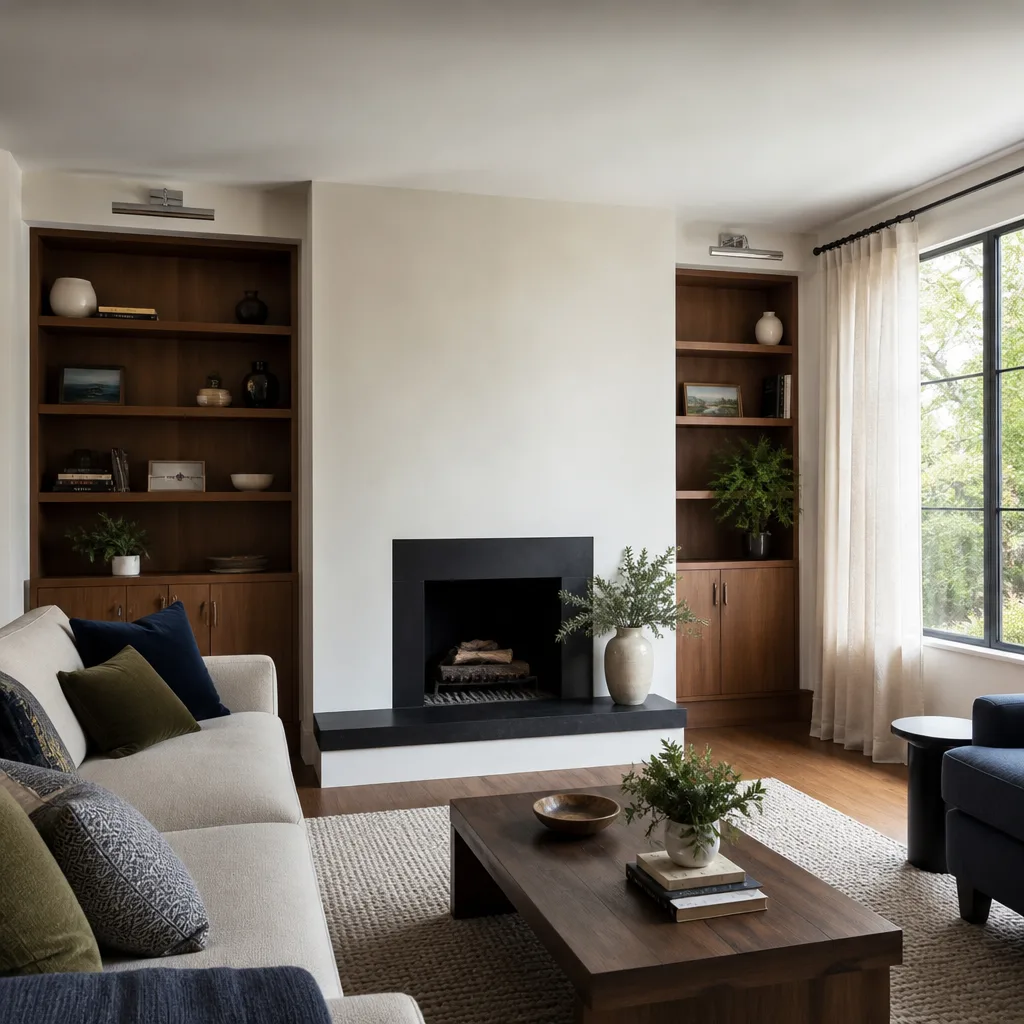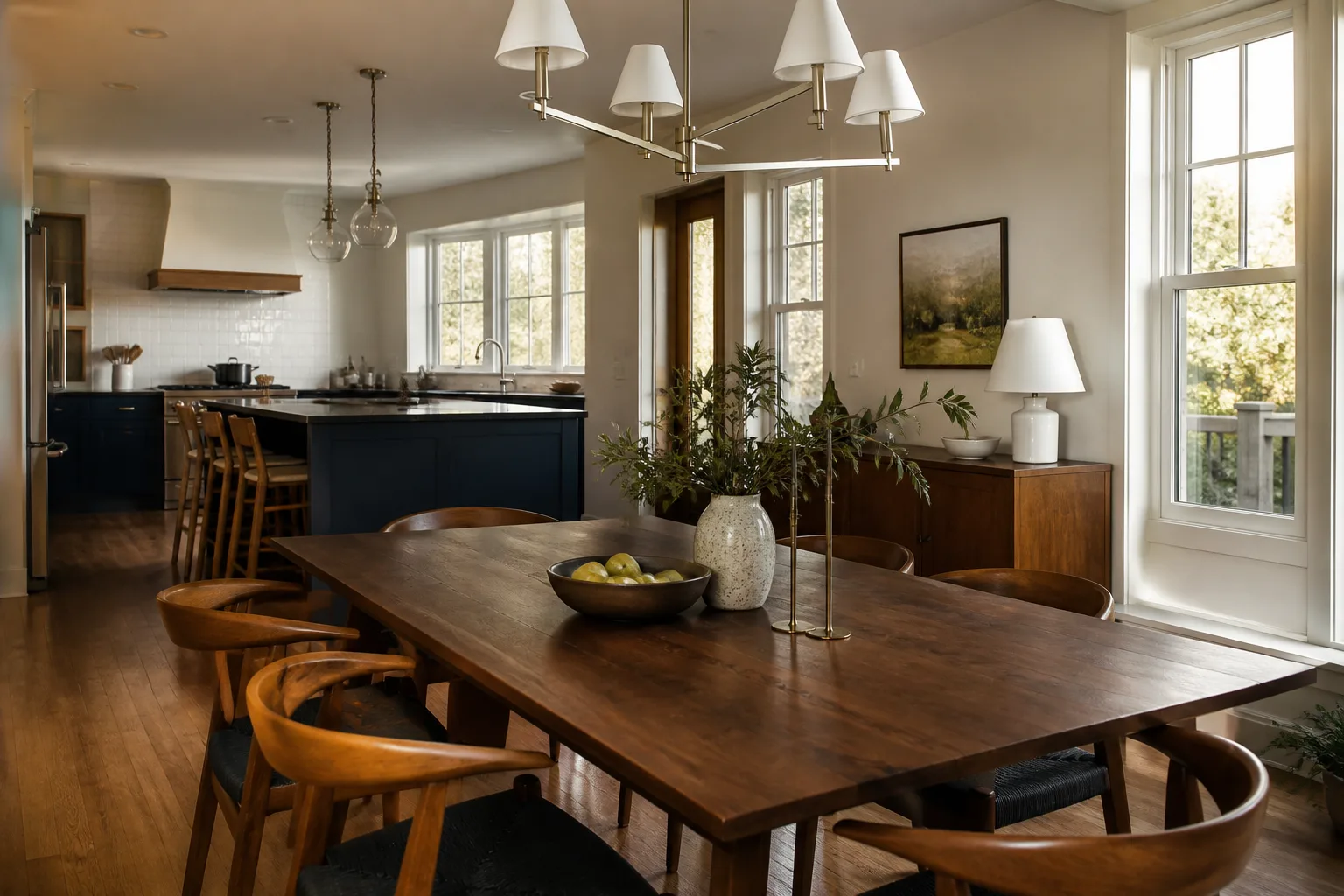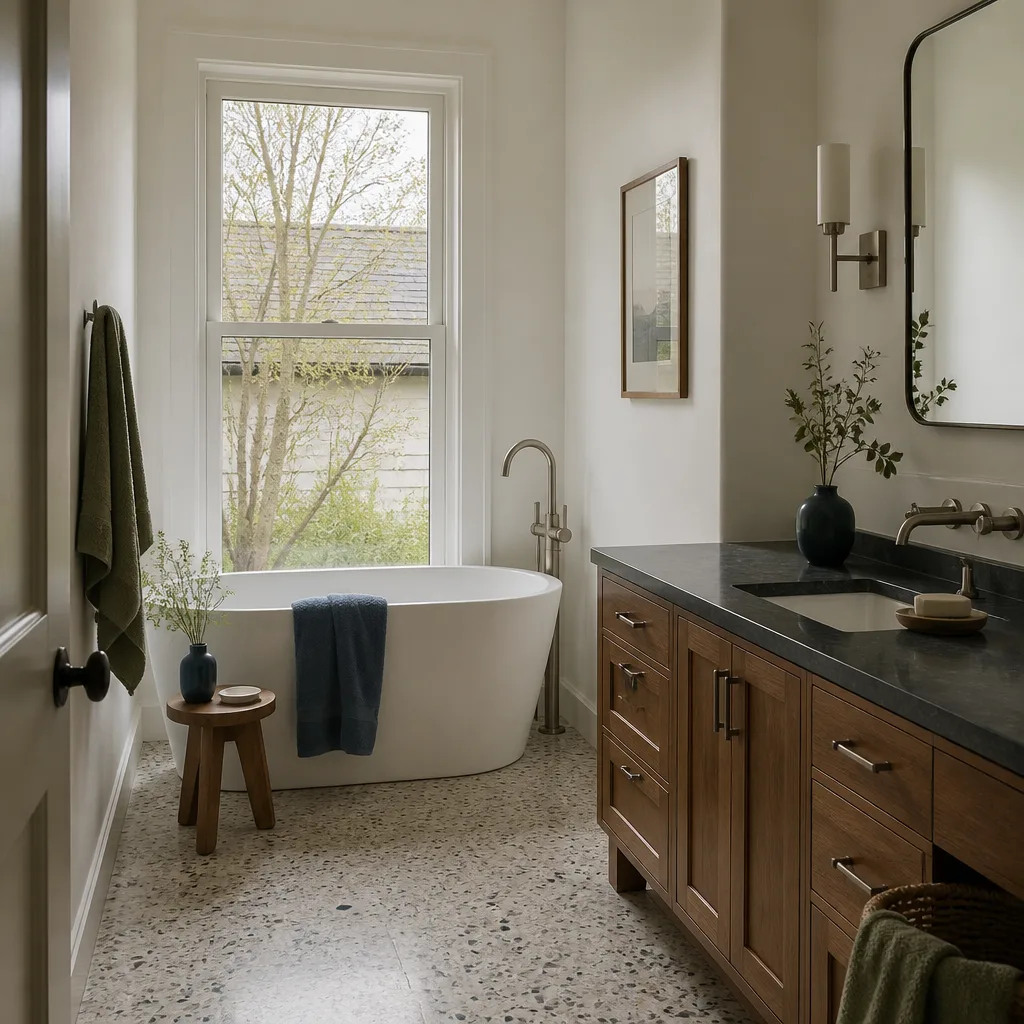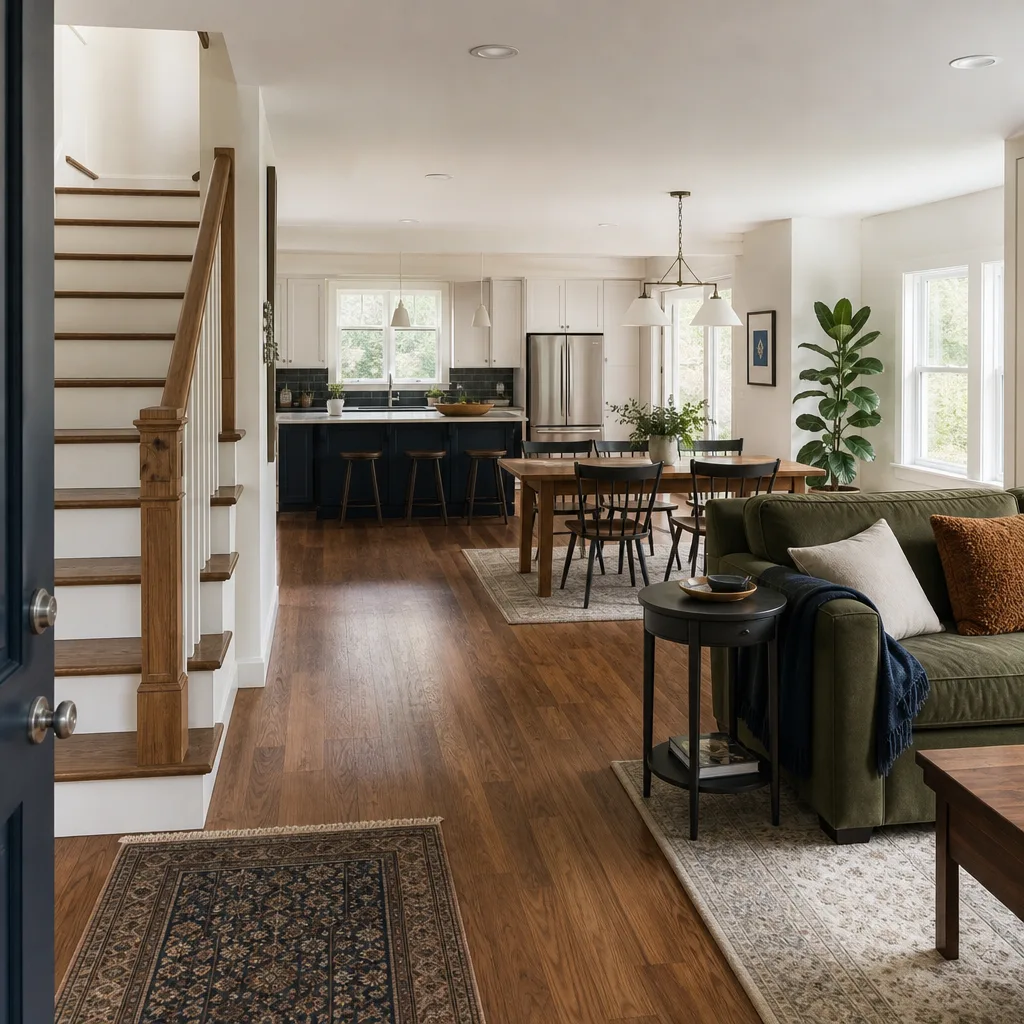

Free written scope consultation - allowances, timeline, and change-order rules on paper before a single trade is scheduled
Styles & brands we work with







See the difference
 Before
 After
After Before
 After
After Before
 After
AfterHow Much Does Home Addition Cost in Dallas?
A home addition in Dallas typically costs between $45,000 and $130,000 in 2026, with most single-room additions landing in the $65,000 to $95,000 range. The final number depends on square footage, foundation requirements, roofing integration, and whether you’re adding a bathroom or kitchen into the new space. We’re going to break down exactly where that money goes so you can plan a realistic budget before the first hammer drops.
Dallas has its own set of cost drivers: expansive clay soils that dictate foundation depth, city permitting fees for residential additions, and labor rates that have climbed steadily since 2022. Bradford Remodeling Co Dallas puts every price in writing before work starts, so the number we give you is the number you pay. That’s The Garrison Standard: no re-pricing at the door, no line items that appear out of nowhere mid-project.
Key Takeaways
- Typical range: $45,000 to $130,000 for a complete home addition in Dallas.
- Per-square-foot cost: Most Dallas additions run $180 to $320 per square foot, depending on finish level and site conditions.
- Foundation work alone can add $8,000 to $25,000, especially in areas with expansive clay like Richardson, Garland, and Mesquite.
- Permits and plans typically account for 3% to 6% of the total project cost.
- Written pricing: Bradford Remodeling Co Dallas provides a written estimate before any work begins, and every completed addition carries the 365-Day Done Right Promise.
Home Addition Cost Breakdown (2026)
Here’s where the money actually goes on a Dallas home addition. These are line-item ranges based on current 2026 material and labor costs in the metro area:
| Cost Component | Typical Range (Dallas, 2026) | Notes |
|---|---|---|
| Architectural plans & engineering | $3,000 – $8,000 | Required for permit approval in Dallas; structural engineering stamps add cost. |
| City of Dallas permits & fees | $1,500 – $4,500 | Includes building permit, plan review, and inspection fees. |
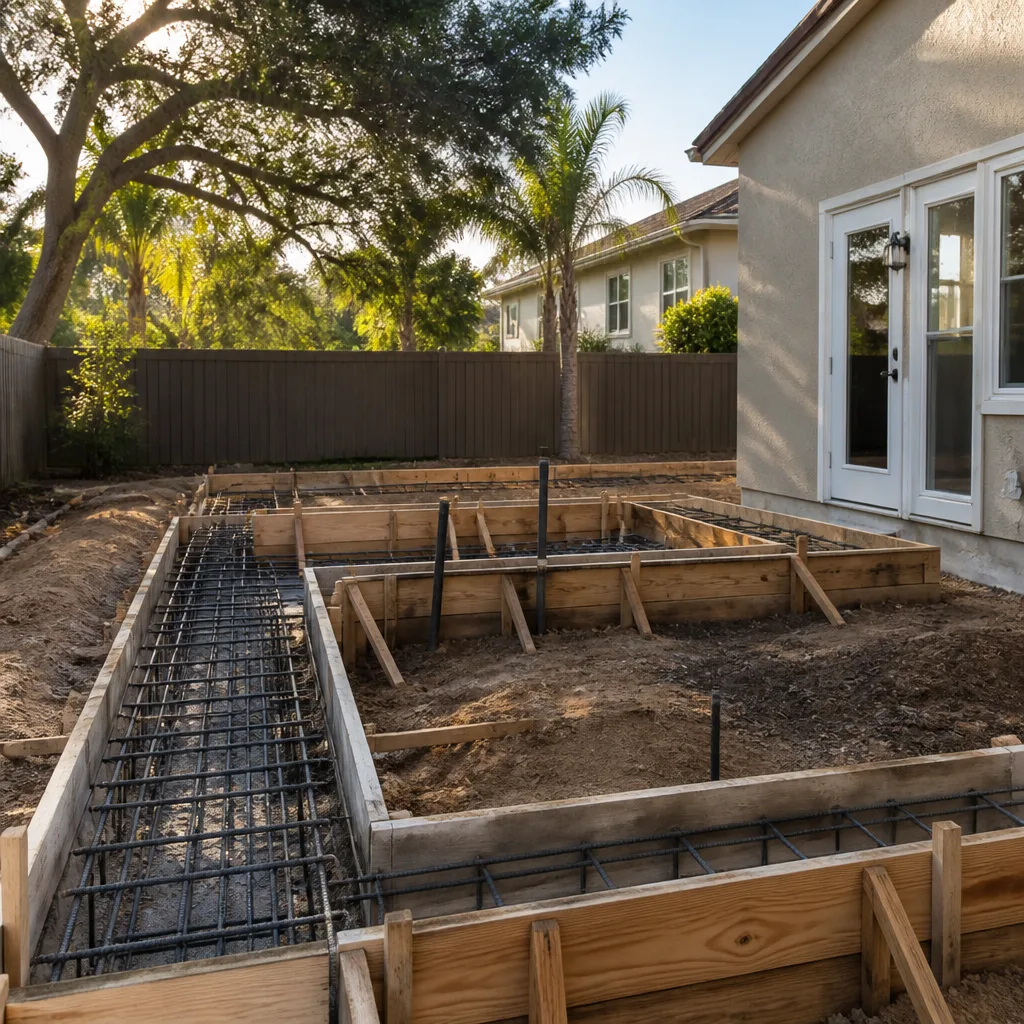
| Foundation (slab or pier-and-beam) | $8,000 – $25,000 | Dallas clay soil typically requires deeper piers or post-tension slabs. |
| Framing (lumber, labor, trusses) | $15,000 – $35,000 | Lumber prices have moderated but remain above 2019 levels. |
| Roofing (tie-in to existing roof) | $4,000 – $12,000 | Includes flashing, underlayment, and matching shingles or metal. |
| HVAC extension or new system | $5,000 – $14,000 | Dallas summers demand proper cooling load calculations. |
| Electrical rough-in & fixtures | $3,500 – $9,000 | Includes panel upgrades if your existing service is maxed out. |
| Plumbing rough-in (if bathroom or wet bar) | $4,000 – $12,000 | Cost rises with distance from existing supply and drain lines. |
| Insulation & drywall | $3,000 – $8,000 | Spray foam costs more but helps with Dallas heat loads. |
| Flooring | $2,500 – $9,000 | Ranges from engineered wood to natural stone. |
| Windows & exterior doors | $2,000 – $7,000 | Therma-Tru doors and impact-rated windows sit at the higher end. |
| Interior finishes (trim, paint, hardware) | $4,000 – $12,000 | This is where “builder grade” and “custom” separate. |
| Site cleanup & final grading | $1,500 – $5,000 | Includes erosion control and haul-off. |
So a basic bedroom addition with no plumbing might run $45,000 to $65,000. Add a bathroom and you’re at $70,000 to $100,000. A primary suite addition with a walk-in closet, full bath, and upgraded finishes lands solidly in the $95,000 to $130,000 range. Those are real Dallas 2026 numbers, not national averages.
The difference between the low end and high end comes down to foundation complexity, how far your addition sits from existing utility lines, and the finish level you choose. A KraftMaid cabinet package in a kitchenette addition costs more than stock cabinets from a big-box store, but you get manufacturer specs and warranties that back up Bradford’s own 365-Day Done Right Promise.
What Affects Home Addition Pricing in Dallas
1. Soil Conditions and Foundation Type
Dallas sits on expansive clay soil. That’s the single biggest site-specific cost driver for additions in this market. In neighborhoods like Lake Highlands, Casa View, and North Dallas, the clay swells when wet and shrinks when dry, which stresses slabs over time. A home addition requires a foundation engineered to handle that movement, typically a post-tension slab or drilled piers. In some parts of East Dallas and Oak Cliff, you’ll encounter pier-and-beam foundations on older homes, which changes how the addition ties in. Foundation work on a Dallas addition rarely comes in under $8,000 and can hit $25,000 if soil testing reveals deep clay or fill.
2. Square Footage and Room Configuration
Bigger is more expensive, but not linearly. A 300-square-foot addition costs less per square foot than a 200-square-foot one because fixed costs like permits, plan review, and mobilization spread across more space. A single open room is cheaper than a space carved into multiple rooms because framing, electrical, and HVAC distribution get simpler. Expect $180 to $320 per square foot depending on configuration and finish level.
3. Roof Integration
Tying a new roofline into an existing one without creating leaks is skilled work. The simplest approach is a shed roof that slopes away from the house. The most expensive is matching a complex hip roof or adding a second-story dormer. In Dallas, where hail and wind are recurring realities, roof tie-ins need proper flashing and underlayment. Using GAF or CertainTeed shingles to match your existing roof keeps the addition visually unified and preserves manufacturer warranties.
4. Utility Extension Distance
If you’re adding a bathroom, wet bar, or laundry space, the distance from your existing plumbing stack matters. Running a new drain line 40 feet across a slab is far more expensive than tapping into a stack 10 feet away. The same applies to electrical: if your panel is maxed out, a 200-amp upgrade adds $2,500 to $5,000 to the job. HVAC extension costs depend on whether your current unit has the capacity to serve the new space or needs a dedicated mini-split or supplemental system.
5. Finish Level and Material Selections
This is where two identical-sized additions can be $30,000 apart. Cambria or Caesarstone countertops in a kitchenette addition run higher than laminate. Kohler or Moen fixtures cost more than off-brand imports, but they come with manufacturer warranties and traceable specs. James Hardie siding on an exterior addition wall holds paint longer than cheaper fiberboard. Bradford documents every material in writing before the project starts, so you know exactly what you’re getting and what it costs.
6. Permitting and Plan Review
The City of Dallas requires permits for any addition that changes the building footprint. That means architectural drawings, structural engineering, energy code compliance (IECC 2021), and inspections at foundation, framing, electrical, plumbing, and final stages. Plan review fees and permits typically run $1,500 to $4,500 for a residential addition. Skipping permits is a costly gamble in Dallas: unpermitted work shows up on title searches and can block a future sale.
How to Save on Home Addition
Saving money on an addition doesn’t mean cutting corners that will cost you later. It means making disciplined choices on scope, materials, and timing. Here’s what actually moves the number in Dallas:
- Build within the existing roofline when possible. Avoiding a complex roof tie-in can save $5,000 to $15,000. A simple shed or gable roof that drains away from the main house is structurally cleaner and faster to frame.
- Keep plumbing fixtures close to existing lines. Every foot of new drain line through slab costs real money. A bathroom addition that backs up to an existing bathroom wall is dramatically cheaper than one on the opposite side of the house.
- Choose engineered flooring over exotic hardwoods. You can get a high-end look at $4 to $7 per square foot installed instead of $12 to $18 for imported natural stone. That difference adds up to thousands on a 300-square-foot addition.
- Plan for off-peak permitting. City of Dallas plan review times lengthen during spring and summer when everyone is building. Filing in late fall or early winter often means faster approvals and more contractor scheduling flexibility.
- Lock your material selections early. Change orders are the silent budget killer on additions. Bradford gives you a written price before any work starts, but that price assumes your selections are final. Changing countertop material or moving a wall after framing starts means re-pricing, and in 2026, material prices shift monthly.
If you’re comparing bids, get at least three written estimates. Make sure each one itemizes the same scope so you’re comparing apples to apples. And read the warranty language. Bradford’s 365-Day Done Right Promise states it plainly: if the work fails within a full year of completion, we return and correct it at no charge. That guarantee is in writing, and it’s part of every addition we complete.
For a free estimate on a Dallas home addition, call (903) 326-8963. A live person answers, day or night. We’ll talk through your project scope and give you a real number, in writing, before anything starts. That’s how we’ve always operated as part of the Garrison Partners family, established in 2004 and held to The Garrison Standard on every job.
Home Addition Types and Cost Ranges
Not all additions are the same beast. Here’s how different project types shake out in Dallas:
- Bedroom addition (200 – 300 sq ft): $45,000 – $80,000. No plumbing, simple roofline, standard finishes.
- Primary suite addition (400 – 600 sq ft): $85,000 – $130,000. Includes full bath, walk-in closet, and upgraded materials.
- Second-story addition (500 – 800 sq ft): $110,000 – $190,000+. More structural work, roof removal, and stair integration. Exceeds the standard $130,000 ceiling for single-story additions.
- Family room or great room extension (300 – 500 sq ft): $65,000 – $115,000. Often includes gas fireplace rough-in, higher ceilings, and larger windows.
If your project is a home addition in Dallas, Bradford handles the whole scope: foundation to roof, rough-in to trim, permits to final inspection. You’ll get a written plan with a written price, and at close, a clean site and a signed guarantee in your hand. That’s what “squared away” looks like.
FAQs – Home Addition Cost
How much does a home addition cost per square foot in Dallas?
A home addition in Dallas costs $180 to $320 per square foot in 2026. Lower-cost additions with a simple roofline and no plumbing sit near $180 per square foot, while additions with bathrooms, higher-end finishes, and complex foundation work run toward $320. Call (903) 326-8963 for an exact quote on your project; estimates are free and every number is put in writing.
Is it cheaper to build up or out in Dallas?
Building out is typically cheaper in Dallas, running $180 to $320 per square foot, while building up costs $220 to $380 per square foot. Second-story additions require roof removal, stair construction, and structural reinforcement of the existing first floor. However, on small lots in neighborhoods like Lower Greenville or Bishop Arts, building up may be the only option. We’ll evaluate both approaches and give you a written price for each scenario.
How long does a home addition take in Dallas?
A typical single-story home addition in Dallas takes 10 to 16 weeks from permit approval to final inspection. Foundation work accounts for 1 to 2 weeks, framing 2 to 3 weeks, mechanical rough-in 1 to 2 weeks, and finishes 3 to 6 weeks. City of Dallas inspections add scheduling variables throughout. Bradford provides a written timeline alongside the written price, so you know the plan before the first day of work.
Do I need a permit for a home addition in Dallas?
Yes. Any addition that changes your home’s footprint requires building permits from the City of Dallas, along with approved architectural plans and structural engineering. Permit and plan review fees typically run $1,500 to $4,500 depending on project scope. Bradford pulls all permits as part of the contract, and every inspection is scheduled and managed by our team.
What’s the ROI on a home addition in Dallas?
A well-executed home addition in Dallas recovers roughly 55% to 70% of its cost at resale, depending on the room type and finish level. Primary suite additions and family room expansions tend to return the most. A poorly executed addition with visible shortcuts returns far less and can deter buyers entirely. Bradford builds to code, documents every step, and backs the work with a full-year written warranty, which protects resale value.
Can you finance a home addition in Dallas?
Home addition financing options in Dallas include HELOCs, home equity loans, and cash-out refinances, with rates in 2026 typically running 6.5% to 8.5% depending on credit and loan-to-value. Some homeowners use renovation loans like the FHA 203(k) or Fannie Mae HomeStyle. Bradford doesn’t provide financing directly, but we’ll give you a fixed written price that helps you lock down the right loan amount. Call (903) 326-8963 and we’ll talk through your project scope.
What “Done Right” Looks Like at Job Close
We’re going to be direct about what a finished Bradford addition looks like, because too many Dallas homeowners have been left with a mess and a stack of excuses. Here’s what you get when we close out a job:
- A signed written guarantee in your hand. The 365-Day Done Right Promise states that if anything we built fails within one year of completion, we come back and fix it at no charge. No phone tag, no dispute process, no “wear and tear” excuses.
- A clean site. Debris hauled off, tools gone, final grading done. You shouldn’t have to rent a dumpster after the contractor leaves.
- Documented scope. Every material, every finish, every fixture itemized in writing. You know the brands going into your home: Kohler, Moen, KraftMaid, James Hardie, GAF, Therma-Tru. Real products with manufacturer warranties.
- Passed inspections. All City of Dallas inspections completed and approved, with documentation provided to you.
That’s The Garrison Standard in practice, and it’s been our operating framework since 2004 as part of the Garrison Partners family. Curtis Lane leads Bradford Remodeling Co Dallas with a straightforward approach: put everything in writing, do the work right, stand behind it for a full year.
Brands We Install, In Writing
We don’t leave material selection to guesswork. Our documented brand roster includes KraftMaid and Wellborn cabinetry, Cambria and Caesarstone surfaces, Kohler and Moen fixtures, GAF and James Hardie exterior products, Therma-Tru doors, and Belgard hardscaping. Every one of these comes with manufacturer specs and warranties that back Bradford’s own 365-Day Done Right Promise. When we write your estimate, you’ll see the brand names on the line items. No “contractor’s choice” ambiguity.
Get a Real Number From a Real Person
If you’re planning a home addition in Dallas, you deserve an honest number before you commit. Not a vague “it depends” followed by a door-price surprise. Bradford Remodeling Co Dallas gives you a written price before any work starts. Call (903) 326-8963 and a live person picks up, 24/7. We’ll schedule your free estimate, walk the property, and hand you a real number backed by The Garrison Standard. Then, if you hire us, we’ll do the work and stand behind it for a full year, in writing.
Pricing reflects the Dallas market as of 2026. Bradford Remodeling Co Dallas offers free estimates – call (903) 326-8963.
Written by Curtis Lane, Owner at Bradford Remodeling Co Dallas, serving the Dallas metro since 2004.
What Our Customers Say
"Respectful crew. Covered the floors and swept every day."
- Jackie T."Straightforward people who do what they say. The crew did what the contract said and called before changing anything."
- Dianne W."Home remodel with a new floor plan. Handled structural work and permits without drama."
- Gus R.