
Free written scope consultation - allowances, timeline, and change-order rules on paper before a single trade is scheduled
Silestone Home Additions & ADU: The Dallas Owner’s Guide
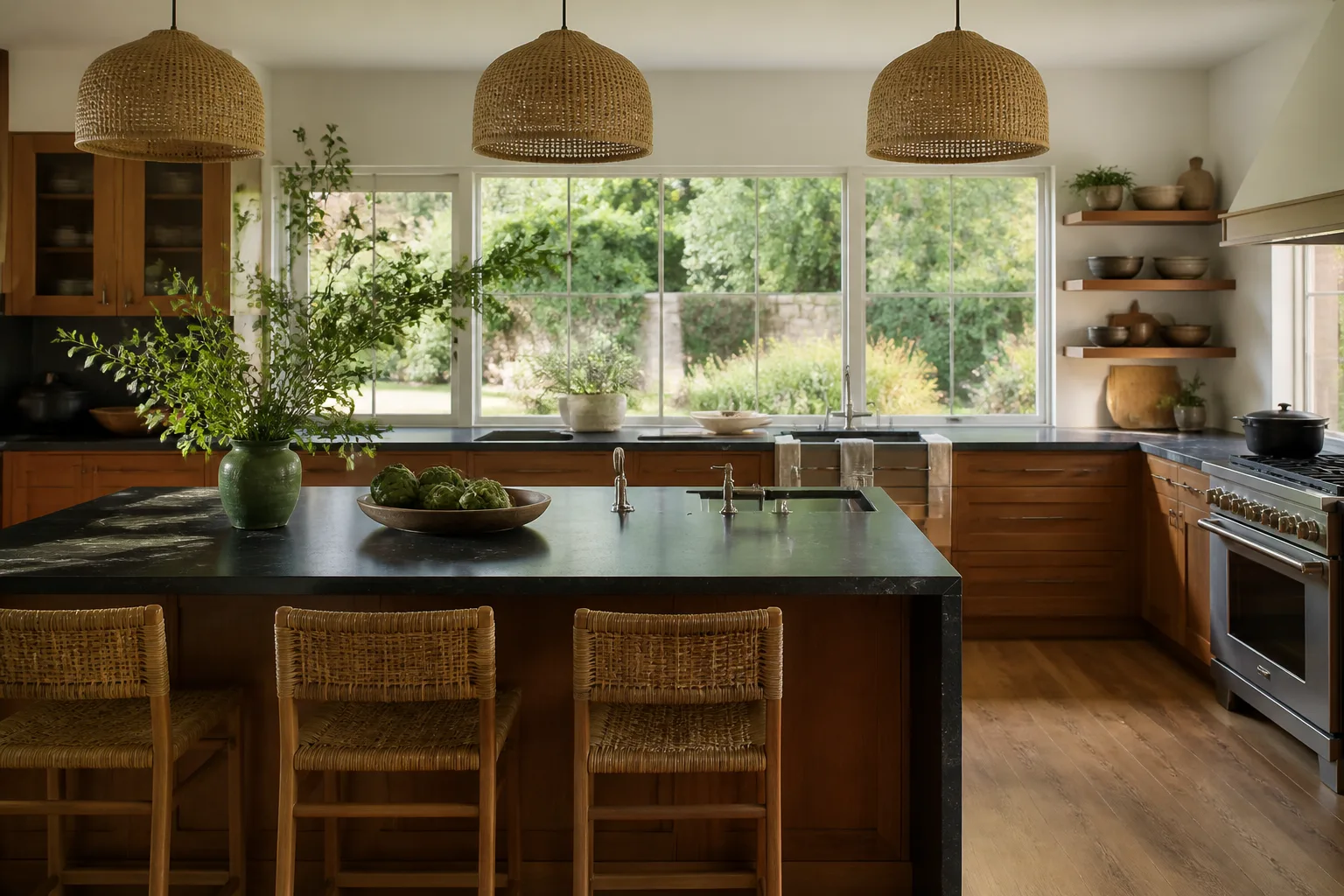
If you’re planning a home addition or ADU in Dallas with Silestone surfaces, our crew stocks and installs Silestone-compatible countertops as part of the build. A full home addition with Silestone counters typically runs $45,000 to $130,000 in Dallas, with the Silestone portion accounting for roughly $2,000 to $6,500 depending on slab size and edge profile. Most owners call us after they’ve already picked their Silestone color at a showroom, only to find out their general contractor won’t touch the fabrication or doesn’t understand how Silestone’s engineered composition behaves differently from natural stone during a Texas summer.
What we see most often in Dallas is a homeowner who committed to Silestone for the main addition kitchen or an ADU wet bar, then got a rough quote from a contractor who treated it like granite. Silestone is a quartz-based engineered surface, roughly 94% natural quartz by weight, and it doesn’t need the same sealing schedule as natural stone. But it does require a fabricator who knows the right blade speed and water flow, or you’ll get chipped edges before the slab is even set. We stock the common Silestone profiles and coordinate fabrication through suppliers who’ve cut hundreds of slabs for Dallas additions and ADUs.
Which Silestone Models This Applies To
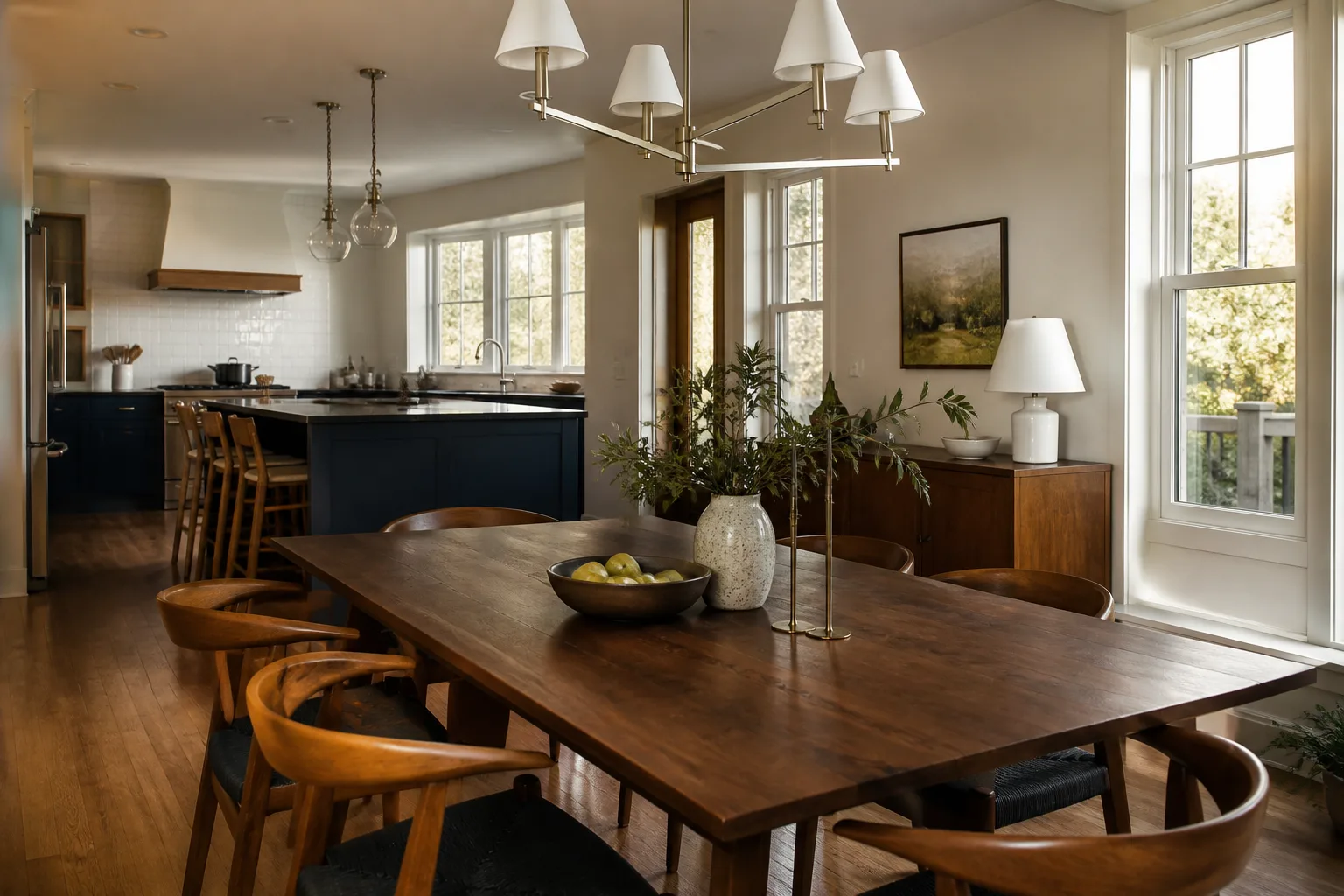
Silestone manufactures its quartz surfaces in several distinct series, and the series name matters when you’re adding Silestone to a Dallas addition or ADU. The two most common lines we see in Dallas homes are the Eternal Series and the Sunlit Days Series, each with its own color codes, thickness options, and edge profile compatibility. Standard slab thickness runs 20mm or 30mm, with the 30mm option being the better choice for kitchen islands in a Dallas addition where you’ve got overhang and no upper cabinetry to carry weight.
Here’s the compatibility gotcha most homeowners never hear at the showroom: Silestone’s warranty and fabrication specs changed when Cosentino reformulated certain series to use a different resin blend. So a Silestone slab bought in 2018 may not be a perfect match for a slab cut from current 2025 stock in the same named color. If your addition calls for matching existing Silestone, we document the original purchase receipt, the batch code printed on the slab underside, and the edge profile before cutting a single piece. The OEM-vs-aftermarket decision for Silestone specifically comes down to resin consistency: OEM slabs carry the Cosentino batch number, while some Dallas fabricators offer “quartz equivalent” slabs that look close but won’t match under 5000K kitchen lighting. We use OEM Silestone for additions and ADUs, period.
Styles & brands we work with







Signs Your Silestone Home Additions & ADU Is Failing
Silestone itself rarely fails. What fails is the installation around it, and Dallas weather accelerates every one of these problems. Here’s what we see on callbacks and inspections across Dallas:
- Hairline cracks near the sink cutout. This is almost always a substrate problem, not a Silestone problem. If the plywood underlayment wasn’t glued and screwed flat, the slab flexes slightly every time someone leans on the sink edge. In a Dallas summer, the heat cycling makes that flex worse, and the crack follows the weakest point in the cutout. Fixing it means pulling the slab, leveling the substrate, and remounting, not just filling the crack with epoxy.
- Visible seam separation at the island seam. Silestone expands and contracts with temperature, and Dallas kitchens in an unconditioned addition can swing 40 degrees between night and afternoon. If the installer used a rigid adhesive instead of the specified flexible bond, that seam will open up a hairline gap that catches crumbs and looks dirty forever. We redo seams with the correct silicone-based adhesive and re-polish the seam line.
- Chipped edges where the slab meets the stair rail or appliance return. Silestone is hard, but a sharp edge profile, like the standard eased edge, is the most damage-prone profile in a busy addition kitchen. A full bullnose or waterfall edge holds up far better in a Dallas ADU with a wet bar and daily use. We often recommend swapping to a rounder edge profile when we repair or replace.
- Dull spots that won’t polish back up. This usually isn’t Silestone wearing down; it’s the wrong cleaning chemical. Silestone’s resin binder breaks down under heavy alkaline cleaners like oven degreaser or undiluted bleach. The surface goes hazy where the cleaner pooled. We can re-polish with the manufacturer-approved compound, but the honest fix is a cleaning protocol change, because the haze returns if the same chemicals keep getting used.
- Slab overhanging the cabinet by more than 8 inches without support. This is an installation error we find on Dallas ADU islands all the time. Silestone needs corbels or steel brackets beyond a certain overhang, and if they weren’t installed, the slab is cantilevered and will eventually crack. We add the supports and re-set the slab.
See the difference
 Before
 After
After Before
 After
After Before
 After
AfterReplacement Cost & What’s Included
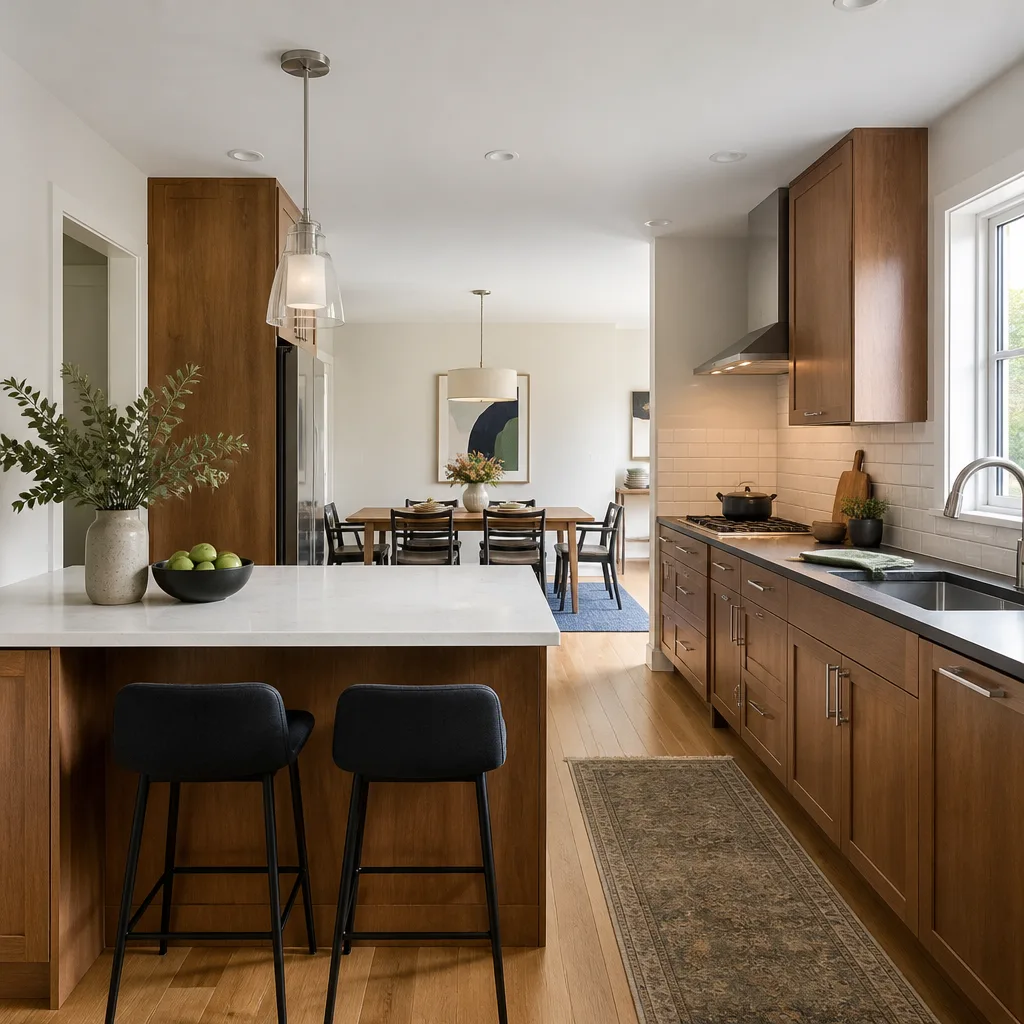
For a Silestone installation in a Dallas home addition or ADU, the countertop portion typically runs $2,000 to $6,500 installed, depending on square footage, slab thickness, edge profile, and whether we’re doing a simple galley or a full island with waterfall edges. The broader home addition that includes those Silestone counters starts at $45,000 and goes up to $130,000 in Dallas. That larger number covers everything from foundation to roofing, with the Silestone piece itemized separately so you see exactly what you’re paying for.
Every Silestone job we do includes the written price before work starts, the fabrication and install labor, the substrate check and leveling, the seam adhesive, and edge polishing. We don’t bury disposal fees or “fuel surcharges” into the line items. The 365-Day Done Right Promise covers the installation: if a seam opens, an edge chips from a fabrication defect, or the slab shifts inside the first year, we return and correct it at no charge. That’s the written guarantee we hand you at job close, signed, with the scope documented.
DIY or Call Us?
A Silestone slab is not a DIY repair project. There’s no version of this where a homeowner safely levels, lifts, and re-sets a 300 to 500 pound quartz slab without the right suction cups, dollies, and a second pair of hands that knows how to carry a slab without twisting it. The dangerous part isn’t the stone itself; it’s the weight and the pinch points. A dropped Silestone slab doesn’t just crack, it can crush a foot or a hand, and a slab that tips while setting can pin someone against a cabinet.
What you can safely do is check your substrate, look for the symptoms above, and take photos of any cracks, seams, or chips before you call us. That helps us quote the job over the phone with a straight number instead of a guess. If the slab is cracked through, don’t try to epoxy it yourself; the DIY kits sold at big-box stores in Dallas don’t match Silestone’s resin hardness and the repair will look worse than the crack. Call (903) 326-8963 and we’ll schedule a free estimate. Curtis Lane will look at the photos, tell you what’s actually wrong, and give you the written price before you commit to anything.
FAQs
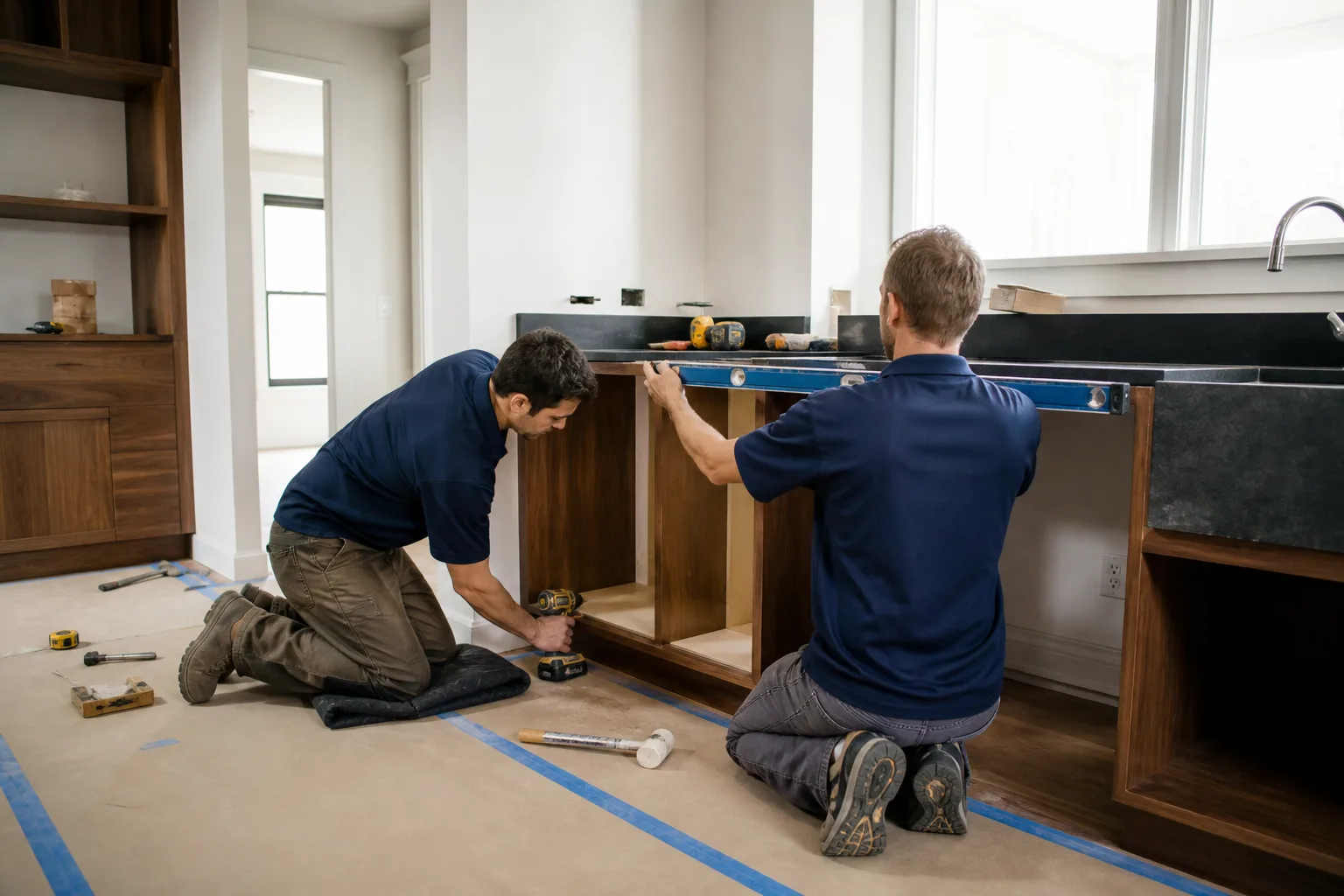
Silestone itself carries a 25-year warranty from the manufacturer and, properly installed, will outlast the roof on your Dallas addition. The installation around it, meaning substrate, seams, and edge support, has a realistic lifespan of 10 to 20 years in Dallas conditions before you’ll see seam wear or substrate movement. That’s why our 365-Day Done Right Promise covers the workmanship for a full year, and we recommend an inspection any time you’re repainting or reworking the room years later. Call (903) 326-8963 if you want us to look at existing Silestone while we quote the rest of the addition.
A hairline crack away from the sink cutout can sometimes be epoxy-filled and re-polished so it’s structurally sound, though it will still be visible under angled light. A crack that runs through the sink cutout, across a seam, or all the way through the slab requires replacement, because the stone has lost its structural continuity. We’ll give you an honest recommendation after we inspect it, and the estimate is free.
From templating to finished install is typically 1 to 2 weeks in Dallas, with the actual on-site install taking one day for most addition kitchens and ADU wet bars. The templating visit comes first, then the slab is cut at the fabricator, then we set and seam it in one day. We’ll give you the exact schedule in the written quote before any work starts.
We don’t warehouse full slabs at our Dallas location, but we order directly through authorized Cosentino distributors in the Dallas area, so lead times are consistent and the batch codes are traceable. We do keep common edge profiles and seam adhesives stocked so the install isn’t waiting on materials once your slab is cut.
Written by Curtis Lane, Owner, Bradford Remodeling Co Dallas at Bradford Remodeling Co Dallas, serving Dallas and nearby areas.


