

Free written scope consultation - allowances, timeline, and change-order rules on paper before a single trade is scheduled
Atlas Home Additions & ADU: The Dallas Owner’s Guide
An Atlas home addition or ADU project in Dallas typically runs $45,000 to $130,000 for a standard addition and $90,000 to $220,000 for a detached ADU, with the price written down and locked before we pull the first permit. We’re an independent Dallas remodeling contractor, not affiliated with Atlas, but we build to Atlas-compatible specifications and understand what makes these structures hold up in North Texas clay soil and 100-degree summers. Most owners call us after a failed first attempt, a foundation shift, or a water intrusion problem at the tie-in point where the new structure meets the old one.
What you’re dealing with isn’t a single part that fails. It’s an entire structural envelope: foundation, framing, roof tie-in, flashing, and the MEP rough-in that connects the addition to your existing home. When one of those systems underperforms, the whole addition shows symptoms fast. We’ll walk through what fails, what it costs to correct, and how we keep the scope tight so you’re not re-paying for the same square footage twice.
Which Atlas Models This Applies To
Atlas doesn’t build pre-fabricated “models” the way a window or cabinet manufacturer does. The Atlas approach to home additions and ADUs is site-built, which means every structure is custom-framed to your lot, your existing roofline, and your foundation type. That said, there are compatibility checkpoints we use on every Atlas-style addition in Dallas:
- Foundation type matters more than anything. Pier-and-beam additions in East Dallas neighborhoods like Lakewood and Casa Linda move differently than slab-on-grade additions in Frisco or McKinney. If your addition sits on a slab poured at a different depth than the original foundation, the seasonal clay expansion in Dallas will find that seam. We check the original pour depth before framing starts.
- Roof tie-in method. An Atlas-style addition either ties into the existing roofline with a valley transition or stands as a separate gable with flashing at the juncture. The valley transition is where 80% of Dallas roof leaks on additions originate. We spec ice-and-water shield at every tie-in, not just standard felt.
- HVAC and electrical rough-in. Your existing panel’s ampacity determines whether the addition can run on the current service or needs a subpanel. Homes built before 1990 in Dallas often carry 100-amp service, which won’t support a full ADU with a kitchen. We verify ampacity during the estimate, not after demo.
- OEM vs. aftermarket. There’s no “Atlas OEM part” for a site-built addition. What matters is material spec: GAF or CertainTeed roofing, James Hardie siding, Therma-Tru exterior doors, and Kohler or Moen rough-in valves. We document every brand on the written estimate so you can verify the spec sheet against what gets delivered.
Styles & brands we work with







Signs Your Atlas Home Additions & ADU Is Failing
Most of the additions we correct in Dallas show the same five failure patterns. Here’s what homeowners see, and what’s actually happening underneath:
- Drywall cracks at the tie-in point. When the addition’s foundation moves independently from the main house, the stress concentrates at the wall where they meet. In Dallas, that movement is driven by clay soil expanding after spring rain and shrinking during summer drought. If the crack reopens after a repair, the foundation seam wasn’t addressed.
- Water staining at the roofline intersection. The valley where the addition roof meets the original roof is the classic failure point. Improper step flashing or a missing ice-and-water barrier lets water run behind the fascia and down into the wall cavity. By the time you see the stain, the sheathing behind it has been wet for months.
- Doors that stick seasonally. A door that binds in August and swings freely in January is telling you the addition’s slab is moving. In Dallas, this is the norm if the slab wasn’t poured with proper rebar and post-tensioning. It’s not the door. It’s the ground under the door.
- Floor temperature differences at the transition. Walk from the original house into the addition and you can feel the thermal break if the addition’s insulation was under-speced or the crawlspace isn’t sealed. Texas summer puts a 30-degree load difference on an uninsulated floor assembly. Your HVAC runs constantly trying to overcome it.
- Breaker trips when the addition is in use. If the addition’s circuits were spliced onto the existing panel without a load calculation, you’ll trip breakers when the microwave and the space heater run at the same time. A subpanel with its own main breaker is the correct fix, not swapping in a bigger breaker on an undersized feeder.
See the difference
 Before
 After
After Before
 After
After Before
 After
AfterReplacement Cost & What’s Included
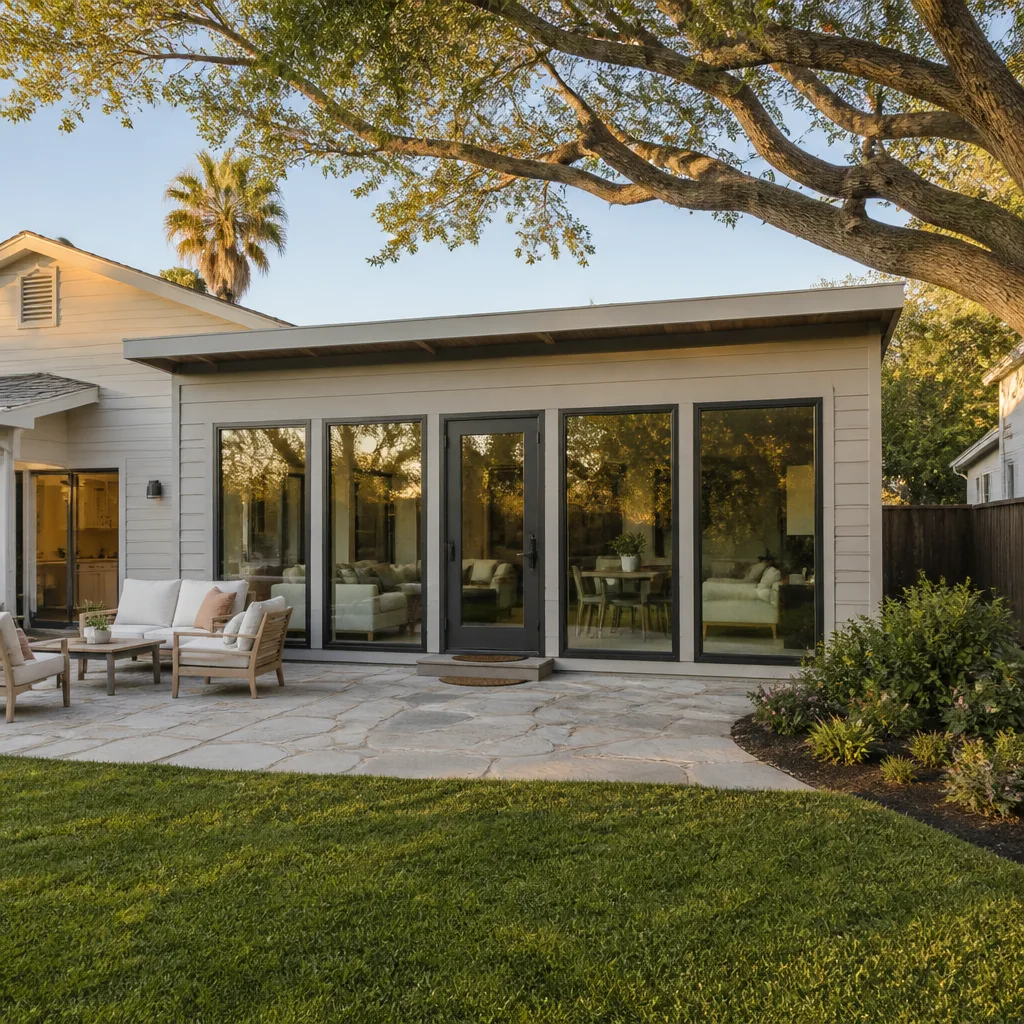
On a full correction or rebuild of an Atlas-style addition in Dallas, you’re looking at $45,000 to $130,000 for an addition and $90,000 to $220,000 for an ADU, depending on square footage, foundation work, and the condition of the existing structure. Corrections that don’t require full tear-out, such as a roof tie-in repair or a subpanel install, run lower, but every project gets a written price before work starts.
| Scope | Dallas Price Range |
|---|---|
| Full room addition (foundation to roof) | $45,000 – $130,000 |
| Detached ADU (complete build) | $90,000 – $220,000 |
| Garage conversion to living space | $30,000 – $80,000 |
| Roof tie-in repair (flashing & sheathing) | $1,500 – $6,000 |
| Subpanel install and electrical separation | $2,500 – $5,500 |
What drives the range: existing foundation condition, whether we’re matching rooflines or building a separate structure, and the distance from the main panel to the addition. Every estimate we write in Dallas lists the labor, materials, and permit line items separately, so you know exactly what you’re paying for. The 365-Day Done Right Promise covers the completed work in writing: if anything we built fails inside a year, we come back and correct it at no charge.
DIY or Call Us?
A homeowner in Dallas can safely do two things: document the symptoms and watch the pattern. Take photos of cracks at the same spot every month, note when doors stick, and check the roofline after heavy rain. That information helps us pinpoint the failure faster when we walk the site. What you shouldn’t do is cut into drywall to “inspect” the framing, climb onto a tie-in roof, or touch anything in the electrical panel. A roofline repair on a two-story addition is not a ladder job for a weekend, and a Dallas summer turns an attic inspection into a heat-exhaustion risk. If you see water staining or repeated cracking, call us at (903) 326-8963. We’ll send a background-checked, uniformed technician to diagnose it, and you’ll have a written price for the correction before any tool comes out.
FAQs
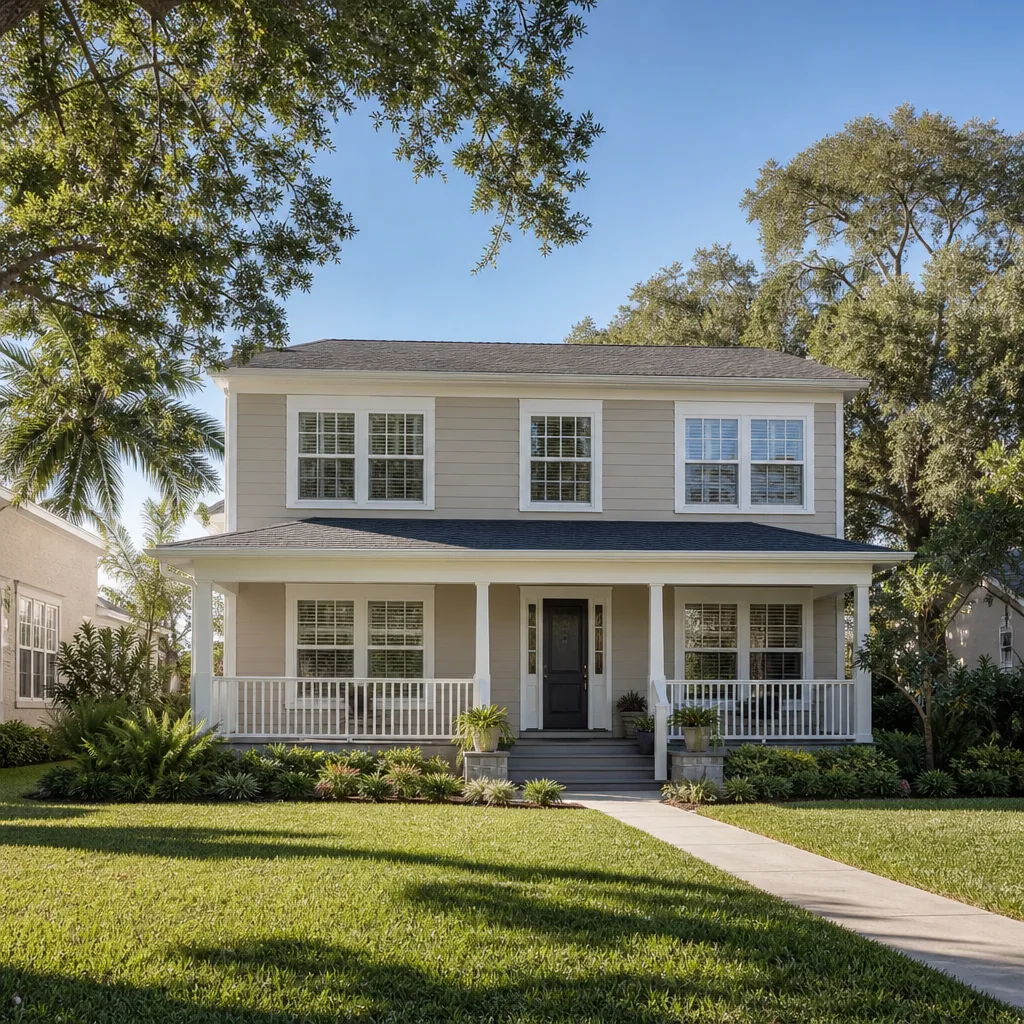
A properly built addition in Dallas should last 50 years or more for the structural shell, with the roof system needing replacement every 20 to 25 years and exterior paint or siding attention every 10 to 15 years depending on sun exposure. The weak link in Dallas is almost always the foundation seam: clay soil movement shortens the life of an addition whose slab or piers weren’t engineered for local conditions. Call us at (903) 326-8963 if you’re seeing movement symptoms, and we’ll evaluate the structure at no cost.
It depends on what’s failing: a roof tie-in leak or an undersized subpanel is repairable without structural work, while a foundation seam that’s shifted more than an inch typically requires slab repair or pier reinforcement before any cosmetic work makes sense. We’ll tell you the truth in writing, even if the truth is that patching it would be throwing money away. Call (903) 326-8963 for an honest assessment.
A roof tie-in repair typically takes two to four days including drying time for sealants, while a full addition or ADU correction runs six to sixteen weeks depending on foundation work, framing, and finish trades. Dallas permitting times for additions and ADUs currently run anywhere from three to ten weeks depending on the municipality and review backlog. We build that window into the written schedule so you’re not wondering where the crew went.
We maintain a documented roster of name-brand materials including GAF and CertainTeed roofing, James Hardie siding, Therma-Tru doors, and Kohler and Moen fixtures, so the specifications on your estimate match what gets delivered to your Dallas jobsite. For specialty items like custom windows or specific tile, we order precisely to spec and verify the delivery before scheduling the install crew. You’ll see every brand name on the written estimate before work begins.
Straight number, real scope, no surprises on delivery day.
Call Curtis Lane and the Bradford Remodeling Co Dallas team at (903) 326-8963 for a free estimate on your Atlas home addition or ADU project. A live person answers, 24/7. You’ll get a written price, a documented scope, and the 365-Day Done Right Promise in your hand before we start.
Written by Curtis Lane, Owner, Bradford Remodeling Co Dallas at Bradford Remodeling Co Dallas, serving Dallas and nearby areas.


