

Free written scope consultation - allowances, timeline, and change-order rules on paper before a single trade is scheduled
CWS Home Additions & ADU: The Dallas Owner’s Guide
Home additions and ADU construction in Dallas typically run $45,000–$130,000 for a full build, depending on square footage, foundation work, and finish level. We install and manage CWS-compatible addition and ADU projects from permit to punch list, with a written price locked before we open the walls. Most Dallas homeowners land on this page because a previous contractor walked off mid-project, the city flagged a code issue, or the original build is showing structural problems the first year in.
The common thread: something wasn’t squared away the first time. If you’re looking at a CWS-planned addition that’s failing, or you need a crew to take over and finish it right, here’s what you need to know.
Which CWS Projects This Applies To
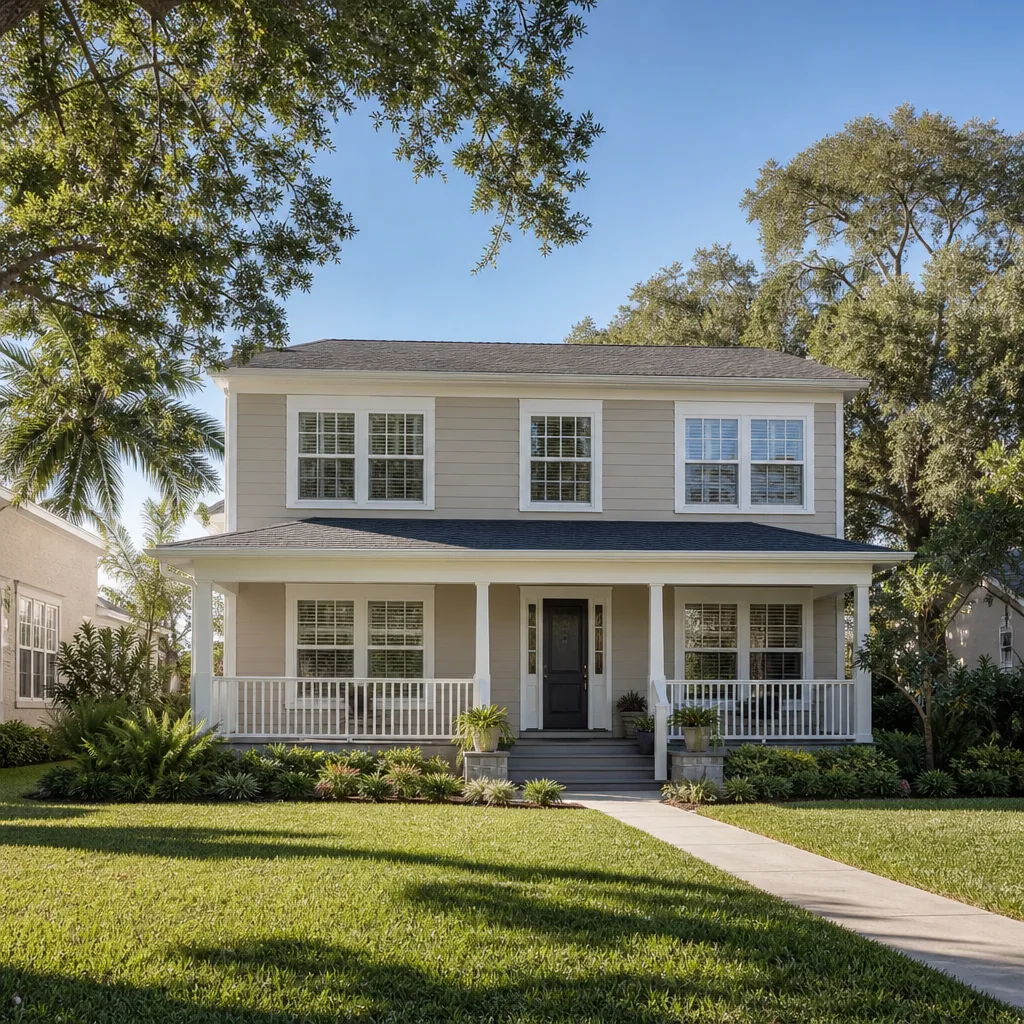
CWS (Custom Wood Structures) projects in Dallas cover a range of add-on structures: room additions, attached ADUs, detached accessory units, and garage conversions with living space above. The critical compatibility question isn’t really a “model number” — it’s the foundation type, framing connection, and roof tie-in. A CWS addition built on a slab ties into the existing structure differently than one on pier-and-beam, which is common across East Dallas and the older pockets of Oak Cliff.
What we look at before giving you a number: the original load path from the addition roof into the existing house, the size and spacing of the floor joists (often 2×8 on 16-inch centers in older CWS plans, which limits span options), and whether the electrical rough-in was done to current Dallas code. We don’t assume the original plans were built as drawn. Too many takeovers start with discovering the addition was framed two feet off plan.
When it comes to materials, we spec what the plan calls for — but we don’t guess. If the original CWS design called for a specific window brand or engineered beam, we match it or clearly flag the substitution in writing before work starts. Bradford Remodeling Co Dallas is an independent contractor, not affiliated with CWS. We work on their projects because homeowners need a disciplined crew to finish them, not because we’re part of their network.
Styles & brands we work with







Signs Your CWS Home Addition or ADU Is Failing
- Separation at the roofline or wall joint. You see daylight or a widening gap where the addition meets the original house. This usually means the tie-in wasn’t flashed or fastened properly, and Dallas’s clay soil movement makes it worse over time.
- Doors that stick seasonally. A door in the addition that binds in summer but swings fine in winter points to foundation movement — common in neighborhoods like Casa View and Lake Highlands where expansive clay is under everything.
- Cracks in the drywall corners, especially at the header. Hairline cracks are normal in year one. Diagonal cracks from window corners are not, and they usually indicate uneven settling or an undersized header.
- Moisture or mildew smell in the ADU after rain. That’s a flashing failure or bad substrate preparation. In a Dallas spring with 4-inch downpours, a poorly flashed roof-wall intersection shows itself fast.
- Electrical that trips when both the window AC and a space heater run. Some CWS additions were wired with just one 15-amp circuit for the entire room. That may have passed inspection in a previous decade, but it doesn’t hold up to how people actually live in an ADU now.
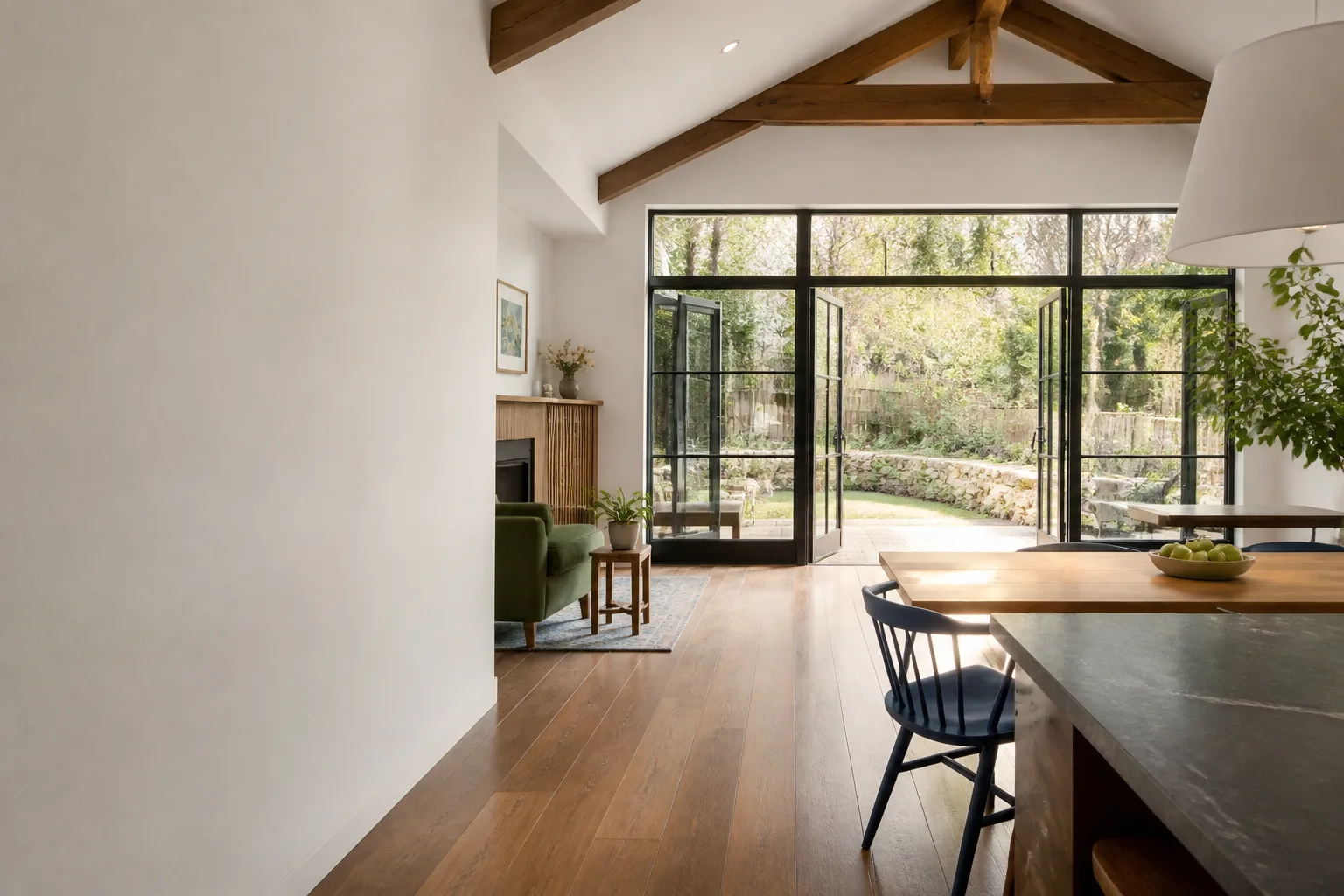
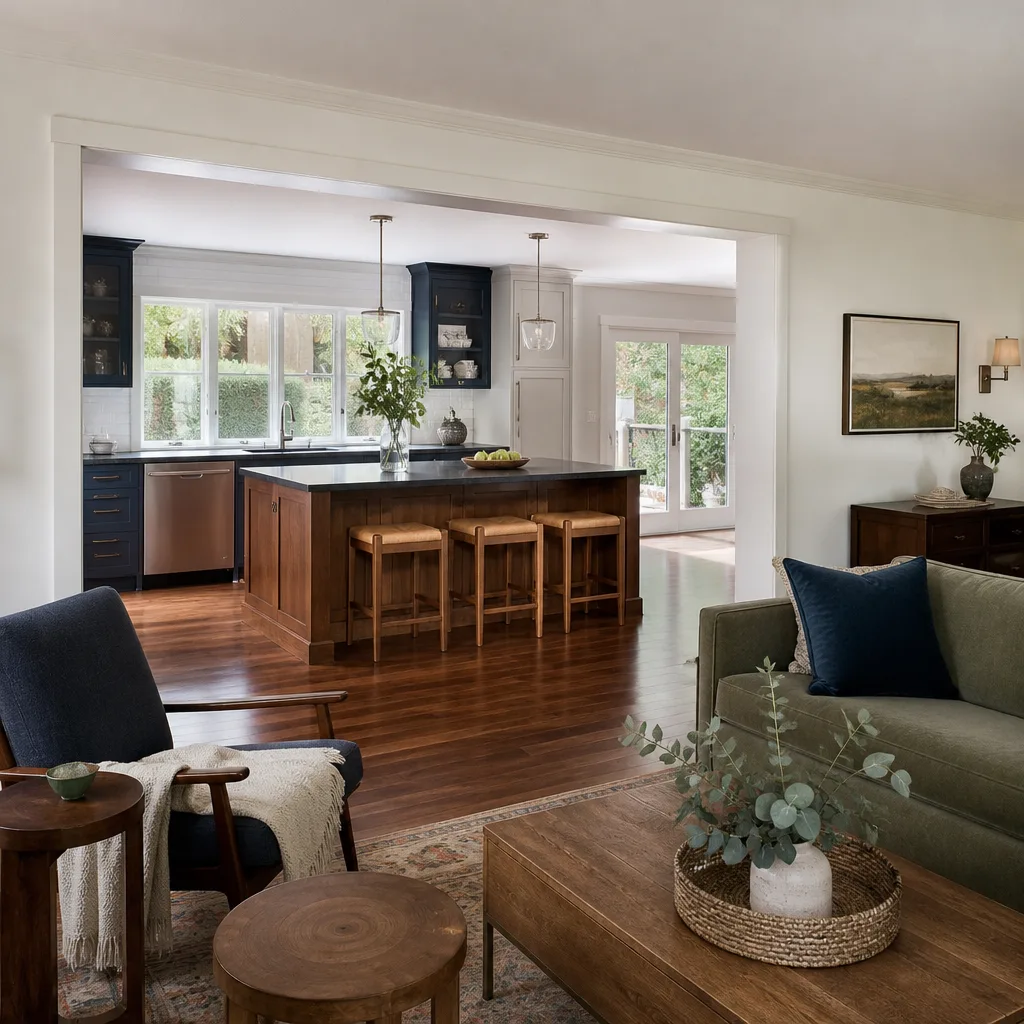
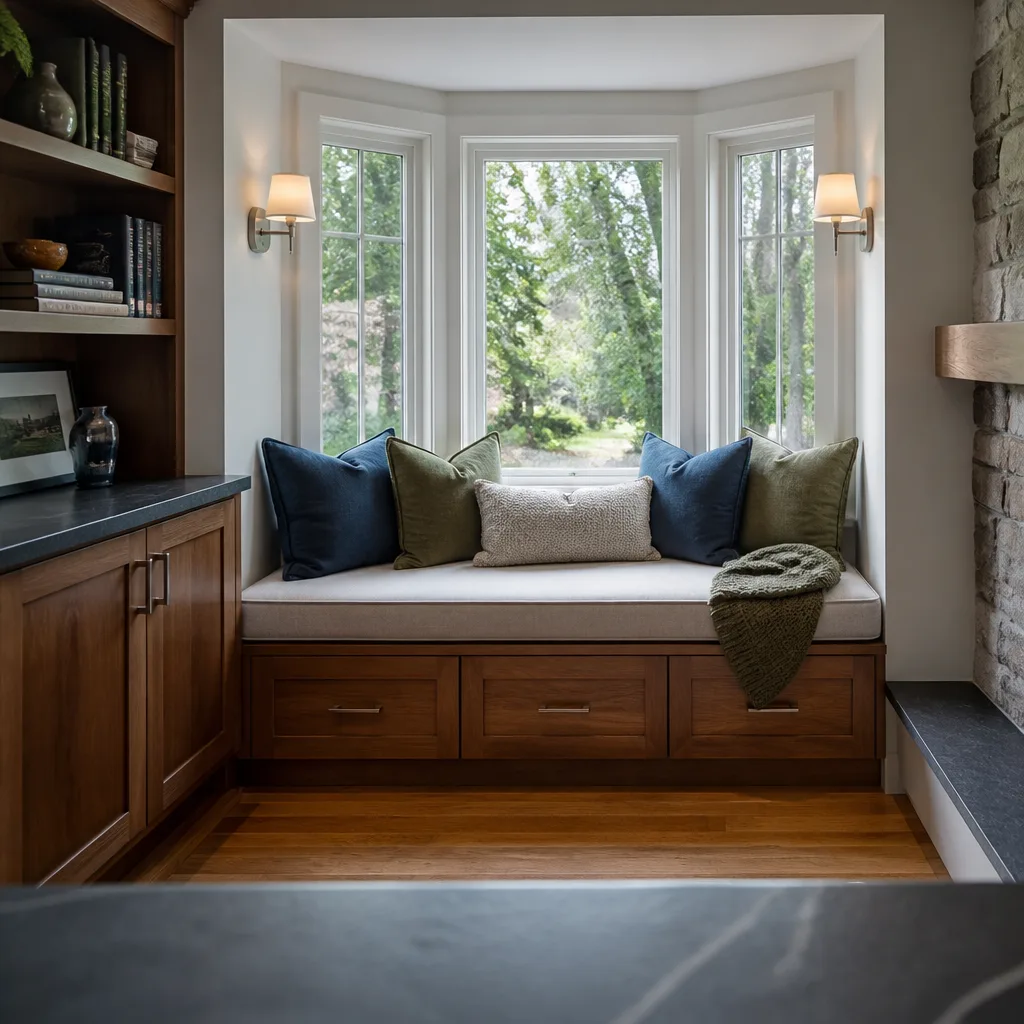
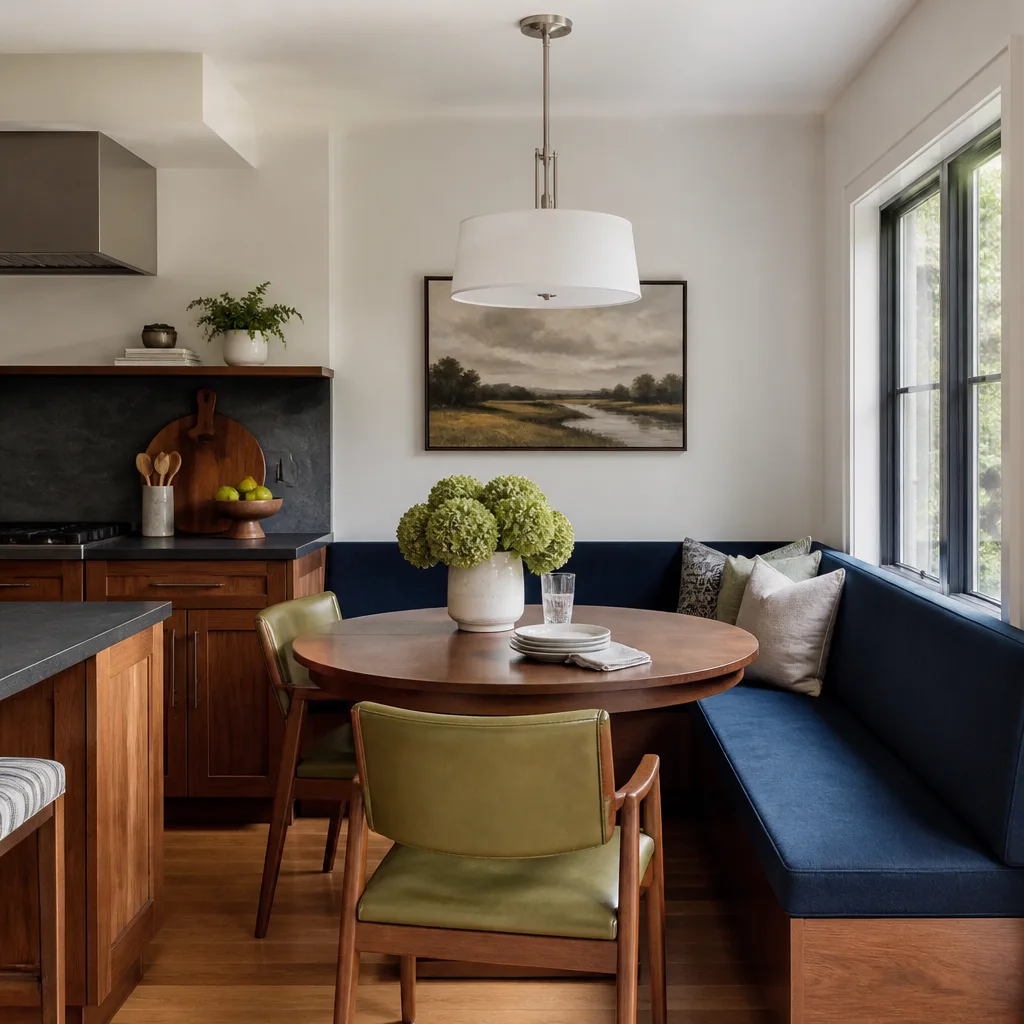
See the difference
 Before
 After
After Before
 After
After Before
 After
AfterReplacement Cost & What’s Included
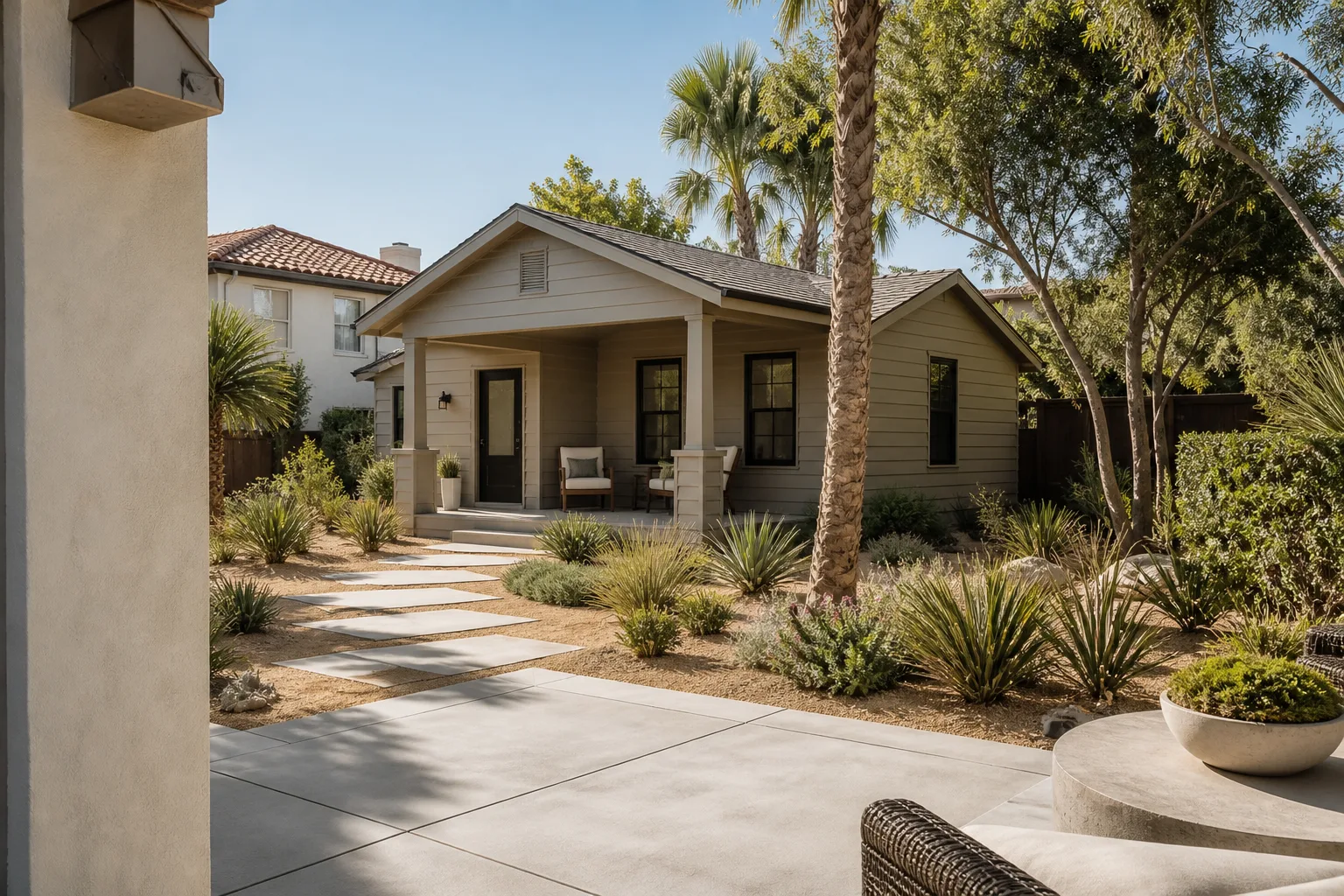
A full home addition in Dallas: $45,000–$130,000. An ADU runs $90,000–$220,000, and a garage conversion with a living area lands at $30,000–$80,000. The spread comes down to three things: whether we’re repairing an existing CWS structure or building from scratch, the foundation work required, and the finish level you choose.
Every Bradford Remodeling project carries a written scope with a price that does not move at the door. That’s The Garrison Standard. Before a single tool comes out, you get the number, the scope, and the material spec. If we find rot or bad framing once we open the wall, we document it, show you, and give you a written change order — no vague “we’ll figure it out” pricing.
At close-out, “squared away” means the site is cleaned, the scope is signed off line by line, and the 365-Day Done Right Promise is in your hand. If the work fails inside that first year, we return and correct it at no charge. No phone tag, no debate.
DIY or Call Us?
Here’s the honest split. You can safely check the obvious: look for daylight at the roofline joint, run a level across floors in the addition, check the breaker panel to see what circuits actually feed the ADU. That tells you what you’re dealing with. It doesn’t fix it.
What you should not do yourself: cut into load-bearing walls, adjust roof framing, or pull wire without a permit. A roof that’s carrying improper load can fail without warning, and Dallas permitting requires a licensed contractor for structural work. We’ve taken over jobs where a homeowner’s “quick fix” cost three times what it would have to do it right the first time. Curtis Lane has been running crews in Dallas long enough to say this plainly: the only surprise a remodel should have is how smooth it went.
If the addition isn’t right, call (903) 326-8963 and we’ll come look. Straight number, real scope, no surprises on delivery day.
FAQs
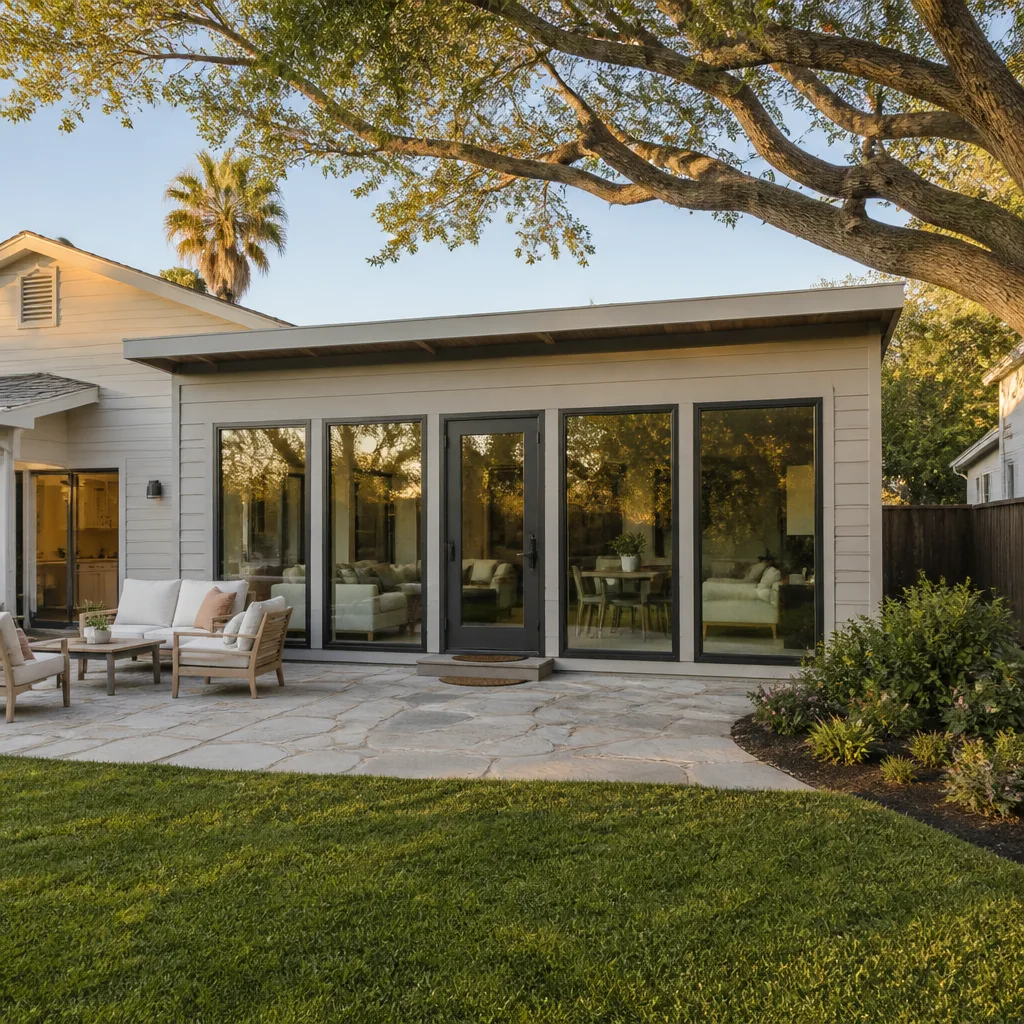
A properly built addition or ADU in Dallas should last 50 years or more on the structural side, with roof and exterior finishes needing replacement on their own cycles — typically 15–30 years depending on material. The wildcard in Dallas is always the clay soil; a foundation that’s not engineered for it can show movement issues within five years. Call (903) 326-8963 and we’ll tell you what yours is actually dealing with.
Most failing CWS additions can be repaired without a full rebuild — typically the problems are isolated to tie-in flashing, foundation correction, or undersized framing members. A full rebuild is only warranted when the structure has widespread water damage or the original framing doesn’t meet current code. We’ll give you a straight answer after an inspection, not a pitch.
A home addition in Dallas typically takes 3–6 months from permit approval to final walkthrough, and an ADU usually runs 4–8 months depending on size and site access. Weather, city inspections, and material lead times all move the schedule — we put the schedule in the written scope and update it if something real changes. Call (903) 326-8963 for a timeline on your specific project.
We order per project based on the written scope — we don’t warehouse CWS-specific framing or finish materials because every addition and ADU is different. What we do stock is the discipline to spec it right: documented brands like James Hardie and Therma-Tru, with manufacturer specs that back the work. We also do work involving KraftMaid, Cambria, and Silestone when the project calls for it.
Written by Curtis Lane, Owner, Bradford Remodeling Co Dallas at Bradford Remodeling Co Dallas, serving Dallas and nearby areas.


