

Free written scope consultation - allowances, timeline, and change-order rules on paper before a single trade is scheduled
Master Halco Home Additions & ADU: The Dallas Owner’s Guide
Planning a home addition or ADU in Dallas using Master Halco framing, post, or structural components? A full addition runs $45,000 to $130,000 in this market, and a detached ADU typically lands between $90,000 and $220,000 depending on foundation work, utility runs, and finish level. We work with Master Halco structural materials regularly on additions across Dallas, and we price every job in writing before the first board is cut.
The reality is most homeowners don’t think about Master Halco by name until a contractor hands them a material list or something fails. Master Halco manufactures pressure-treated lumber, post-frame components, fence systems, and structural posts used in Texas additions and ADU builds. What fails first, in our experience, is almost always what touches Dallas soil and weather: post bases, ground-contact lumber, and connection hardware. We see it in Lakewood, in East Dallas, in Richardson. The framing members themselves hold up. The rot, termite damage, and fastener corrosion start at grade.
Key takeaways:
- Installed cost for a Master Halco-framed addition in Dallas: $45,000 – $130,000
- ADU construction with Master Halco structural components: $90,000 – $220,000
- Most common failure point: ground-contact lumber and post bases, not the framing
- We provide written pricing before work starts, every time
- Call (903) 326-8963 for a free estimate on any addition or ADU scope
Which Master Halco Materials This Applies To
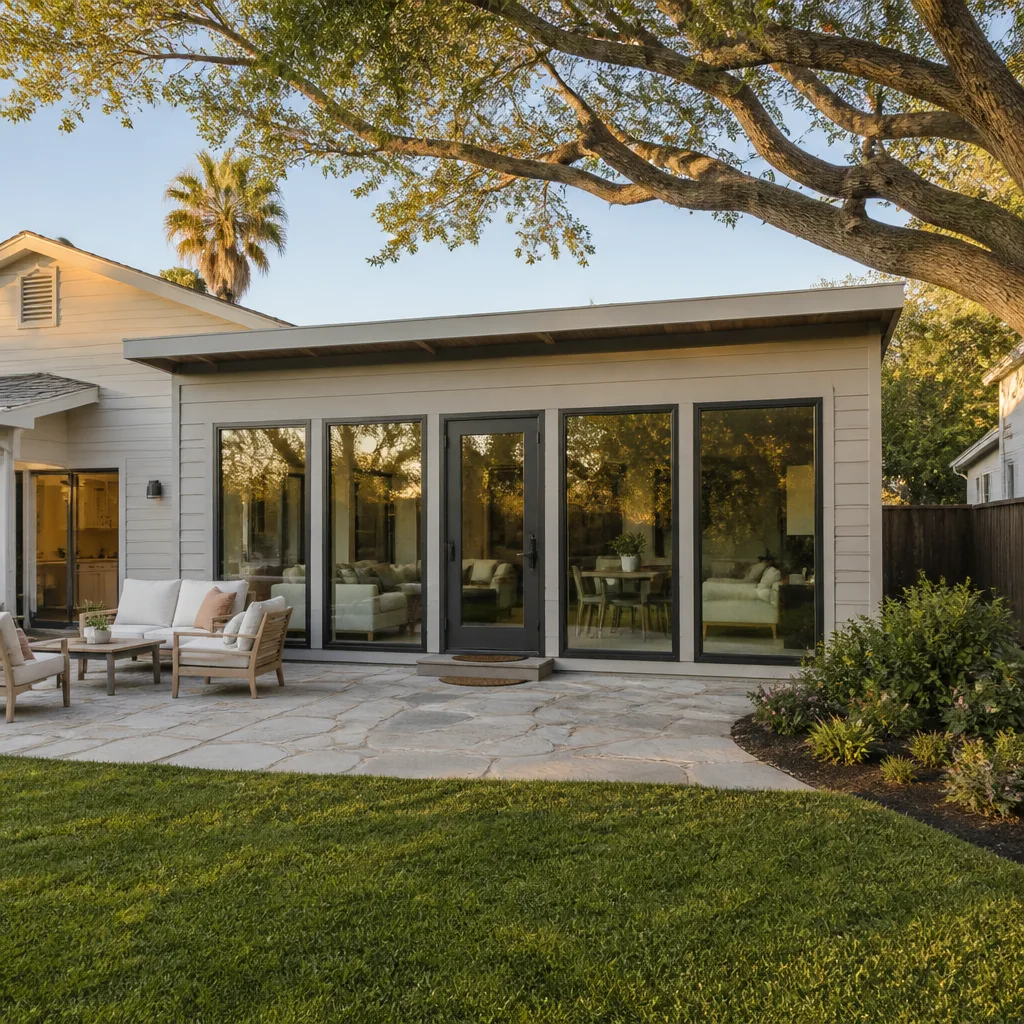
Master Halco is not a single product line. It’s a national manufacturer and distributor of structural and outdoor building materials, and in Dallas we most often see their pressure-treated dimensional lumber, round posts, post-frame components, and metal connector hardware on home additions and ADU projects. If you’re looking at a material tag from an existing build, you’ll typically see a Master Halco lot code and a treatment designation like UC4A or UC4B for ground-contact use.
Here’s the compatibility detail that matters for Dallas: Master Halco pressure-treated lumber sold in Texas is predominantly Southern Yellow Pine treated with either MCA (micronized copper azole) or CA-C (copper azole type C). That matters because not all fasteners and hangers play nice with copper-based treatments. You need hot-dipped galvanized or stainless steel connectors and fasteners. If a previous contractor used electro-galvanized hardware on a Master Halco treated post base, that’s a corrosion failure waiting to happen, and we’ve replaced enough of them across Dallas to say so plainly.
Bradford Remodeling Co Dallas is an independent contractor. We’re not affiliated with Master Halco, and we don’t sell their materials retail. What we do is spec, source, and install Master Halco-compatible structural materials on additions and ADUs, with the paper trail to prove what went into your foundation and framing. We also work with KraftMaid, Cambria, and Silestone on the interior finish side, so the same written-price discipline applies to the whole project.
Styles & brands we work with







Signs Your Master Halco-Framed Addition or ADU Is Failing
- Spongy or sagging floor at the perimeter. This usually means the rim joist or sill plate is losing integrity. In Dallas, we trace it back to ground-contact lumber that wasn’t rated for the moisture exposure, or missing capillary break between concrete and wood.
- Post bases with rust streaks or flaking metal. Copper-treated Master Halco lumber accelerates corrosion on non-approved hardware. Rust-colored staining running down the post is the visible tell.
- Doors and windows that stick seasonally. Dallas clay soil moves, and if the addition wasn’t framed to handle that movement or the foundation detail is wrong, you’ll see doors bind in summer and loosen in winter.
- Termite shelter tubes on foundation posts or sill plates. Even treated lumber has a service life. Once the treatment barrier depletes in Texas heat and humidity, termites move in. Tubes on the post base are a sign the protection is gone.
- Musty smell inside the addition that won’t clear. That’s almost always a ground-contact or crawlspace moisture problem, not an air freshener problem. It points to wood wicking moisture from below.
See the difference
 Before
 After
After Before
 After
After Before
 After
AfterReplacement Cost & What’s Included
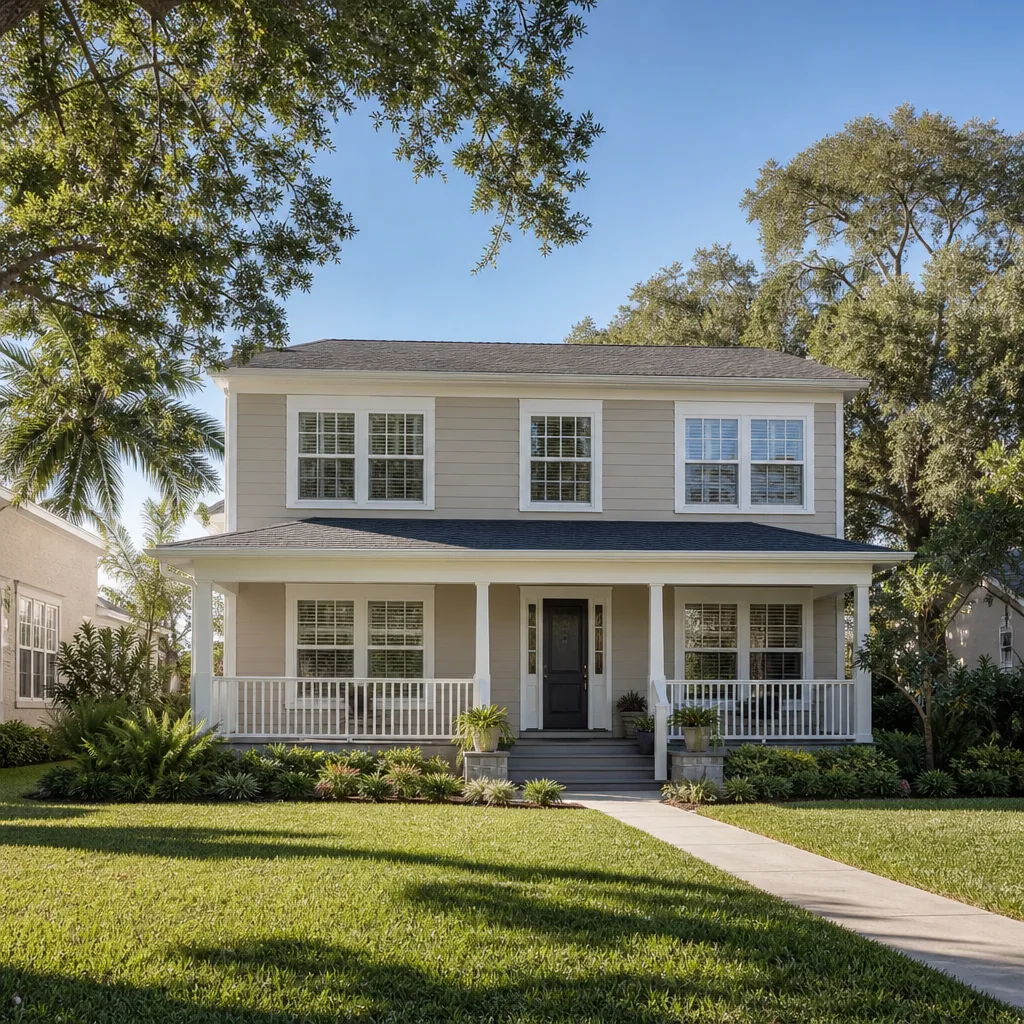
For a full home addition in Dallas framed with Master Halco structural lumber, plan on $45,000 to $130,000 installed. That range covers everything from a single-room bump-out to a multi-room addition with proper foundation, framing, roofing, rough-in, and finishes. Detached ADUs run higher because you’re trenching utilities, pouring a separate foundation, and building an independent envelope: $90,000 to $220,000 is the realistic band in this market.
What drives the range? Foundation type (slab versus pier-and-beam), whether we’re tying into existing roof lines or building new, utility distances for ADUs, and finish level. A drywalled, carpeted addition with basic fixtures lands at the lower end. A hardie-sided ADU with a full kitchen and bathroom lands at the upper end. We don’t give ballpark numbers that drift. We walk the site, spec the scope, and hand you a written price with a line-item breakdown before any work starts.
Every project we complete is covered by our 365-Day Done Right Promise. If something in the work fails within a year, we come back and make it right at no charge. That’s what The Garrison Standard requires, and we put it in writing on every job.
DIY or Call Us?
What you can safely do as a homeowner: inspect your existing addition or ADU for the failure signs listed above. Walk the perimeter, look at post bases, check for rust streaks, run your hand along sill plates, look for termite tubes. That’s an hour of your time and costs nothing. If something looks off, call us at (903) 326-8963 and we’ll come look.
What you should not do: tear out structural members yourself. Floor framing, rim joists, post replacement, and any connection hardware work involves load paths. Get it wrong and you’re putting weight where the original engineer never intended it. That’s how floors bounce, doors permanently bind, and drywall cracks reappear. Curtis Lane has spent two decades running crews across Dallas, and he’ll tell you straight: structural repair is not a weekend project. Straight number, real scope, no surprises on delivery day.
FAQs
Ground-contact Master Halco treated lumber typically lasts 20 to 30 years in Dallas soil conditions, but that drops sharply if non-approved fasteners were used or if drainage around the structure is poor. Post bases with galvanized or stainless hardware can outlast the post itself. Call (903) 326-8963 if you want us to inspect what you have.
Sometimes. If the post itself is sound and the base is the only corroded component, we can jack the load, swap the base, and re-secure with compatible hardware. If the post bottom is soft or termite-damaged, it’s a replacement. We’ll tell you which one you have after a look.
A single-room addition typically runs 3 to 5 months from permit to final walkthrough. A detached ADU usually runs 5 to 9 months depending on utility work and finish level. We give you a written schedule with the written price, and we hold to it.
No. Because every job spec is different, we order Master Halco-compatible materials per project with the treatment ratings and dimensions your plans require. That means no guessing on site, and no substituted material that isn’t what the written scope says.
If your addition or ADU in Dallas needs a structural look, a repair, or you’re planning new construction and want a crew that puts the price in writing, call us at (903) 326-8963 for a free estimate. We’ll walk the site, tell you what you actually need, and hand you a number that doesn’t move.
Written by Curtis Lane, Owner, Bradford Remodeling Co Dallas at Bradford Remodeling Co Dallas, serving Dallas and nearby areas.


