
Free written scope consultation - allowances, timeline, and change-order rules on paper before a single trade is scheduled
Ameristar Home Additions & ADU: The Dallas Owner’s Guide
Bradford Remodeling Co Dallas installs and services Ameristar-compatible home additions and ADU structures across Dallas, with typical project pricing running $45,000 to $130,000 depending on scope, foundation work, and finish level. Most owners discover a failing addition or ADU part through water intrusion around the roofline, a sticky or misaligned door, drywall cracks that spread, or HVAC ducting that no longer holds temperature in the added space. We stock the Ameristar framing components, tie-in flashing, and structural hardware this work depends on, and we can usually get a crew on-site within the week for an assessment.
We’re an independent Dallas contractor, not an Ameristar dealer or affiliate. What we bring is a documented installation record with Ameristar-spec materials and a written price before any work starts.
Key takeaways:
- Dallas home addition pricing runs $45,000 – $130,000; ADU construction runs $90,000 – $220,000.
- Ameristar home additions & ADU components in Dallas fail most often at the tie-in point between original structure and new framing.
- Every Bradford project carries the 365-Day Done Right Promise in writing.
- Call (903) 326-8963 for a free estimate with a straight number before the first tool comes out.
Which Ameristar Models This Applies To
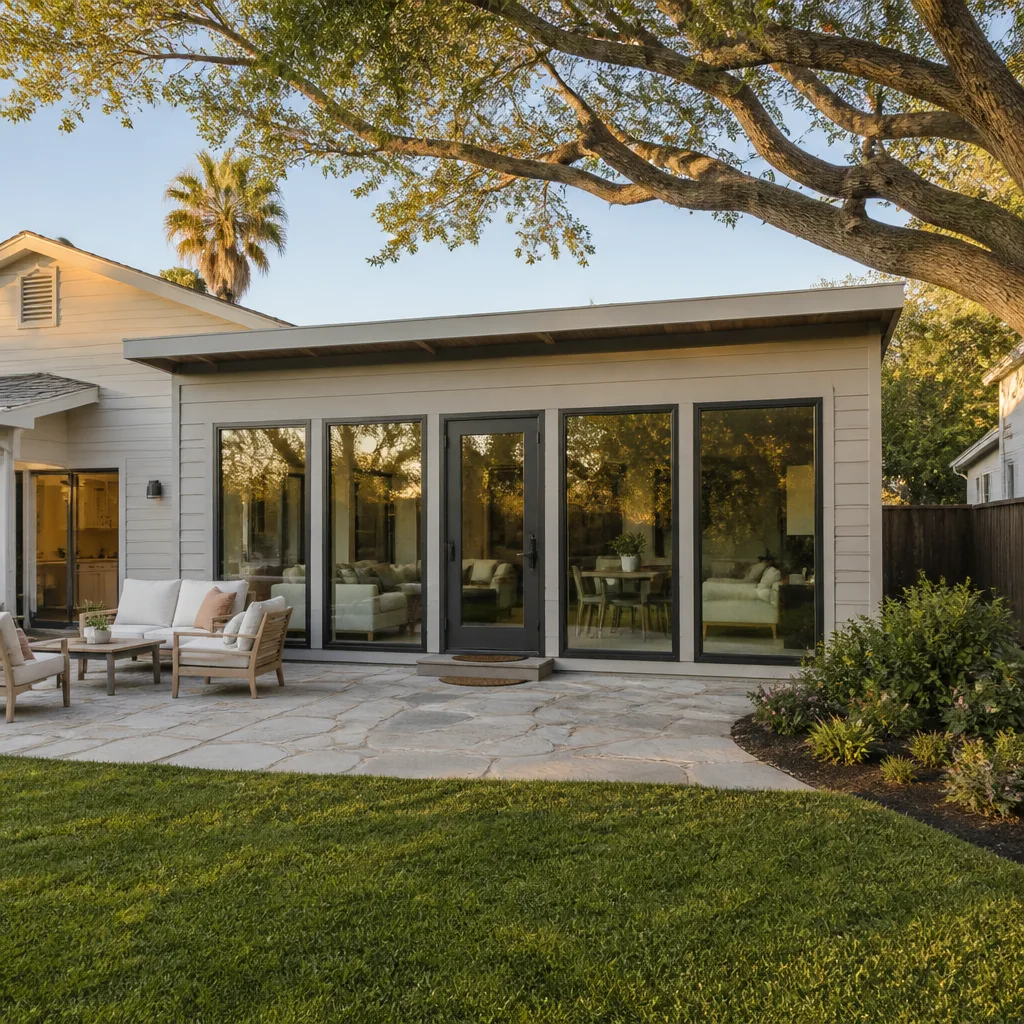
Ameristar manufactures modular and panelized home-addition and ADU packages, and the component that fails is rarely the panel itself. It’s the site-built connection: ledger boards, sill plates, tie-in flashing, and the anchor hardware that attaches Ameristar’s panel system to the existing slab or floor system. When we walk a Dallas project, we check the manufacturer’s label on the panel corners first. Ameristar stamps the series, panel dimensions, and production date there. Different Ameristar series use different panel thicknesses and different anchor schedules, and mixing series hardware on the same addition is a common cause of early failure.
On the OEM-versus-aftermarket question: Ameristar OEM hardware is engineered to the panel’s exact gauge and coating spec. Quality aftermarket equivalents exist for standard anchor bolts, hold-downs, and flashing, but we won’t substitute aftermarket structural connectors on an Ameristar shear wall without the manufacturer’s published compatibility. The cost difference is rarely worth the risk on a load-bearing tie-in.
Styles & brands we work with







Signs Your Ameristar Home Additions & ADU Is Failing
- Fascia or roofline pulling away at the seam where the addition meets the original house. This is the classic Ameristar tie-in failure in Dallas: the original framing and the addition settle at different rates, and the seam opens. Water follows the gap, then rot starts.
- Drywall cracks at the top corners of the addition walls. Uniform hairline cracks are normal settling. Diagonal cracks wider than 1/8 inch at the header corners mean the addition framing is moving independently of the anchor points.
- Doors in the addition that bind or won’t latch. When the addition floor system deflects or settles out of level, door frames rack. A door that latches in summer and binds in winter tells you the slab or pier system is moving with Dallas’s expansive clay soils.
- Musty smell or discolored baseboard in the added room. Water is getting in at the wall-to-floor transition. On Ameristar panel systems we most often trace this to failed sill seal or missing flashing at the bottom track.
- HVAC registers in the addition that blow weak or warm. Ducting to the added space is either crushed, disconnected at the plenum tie-in, or undersized from day one. The room will never hold temperature until the duct run is corrected.
See the difference
 Before
 After
After Before
 After
After Before
 After
AfterReplacement Cost & What’s Included

In Dallas, the installed price range for an Ameristar home addition runs $45,000 to $130,000, and ADU construction runs $90,000 to $220,000. When the question is a failing part on an existing addition rather than a full build, the honest answer depends on what failed:
- Tie-in repair (flashing, ledger, roof seam): $2,500 – $7,500 installed, depending on access and how much rot has to be cut out.
- Racking correction (re-anchoring walls, reinforcing headers): $5,000 – $15,000 installed, dictated by the extent of the movement and whether we’re opening interior walls to install hold-downs.
- Door or window re-set in a settled addition wall: $800 – $2,200 per opening, including shimming, re-flashing, and trim.
- Slab or pier leveling under the addition: $8,000 – $25,000, depending on the foundation system and how many piers are needed in Dallas clay.
Every price we give is a written line item before work begins. That’s not a courtesy; it’s the Garrison Standard. The 365-Day Done Right Promise covers the written scope for a full year. If our tie-in repair or re-anchoring fails inside that window, Bradford Remodeling Co Dallas returns and corrects it at no charge. No re-quoting, no change order, no debate.
DIY or Call Us?
A homeowner can safely check for visible warning signs: walk the roofline seam with binoculars, test each door in the addition for binding, note where drywall cracks start and whether they widen over 30 days. You can pull back a loose piece of baseboard to look for water staining on the bottom plate. What you should not do is attempt to re-anchor a moving addition, open a tie-in seam, or shim a sagging floor without understanding the load paths involved. An Ameristar addition’s framing carries roof, wall, and floor loads, and the tie-in hardware is under real tension. Pull the wrong bolt out of a racked wall and you can unload a header that’s holding several thousand pounds. That’s how collapsed additions happen.
If your addition is showing movement at the tie-in, spreading cracks, or water at the roofline seam, have a qualified contractor look at it. Call Bradford Remodeling Co Dallas at (903) 326-8963 and we’ll send a background-checked crew lead to assess it. The estimate is free, and the number you get is the number you’ll pay.
FAQs
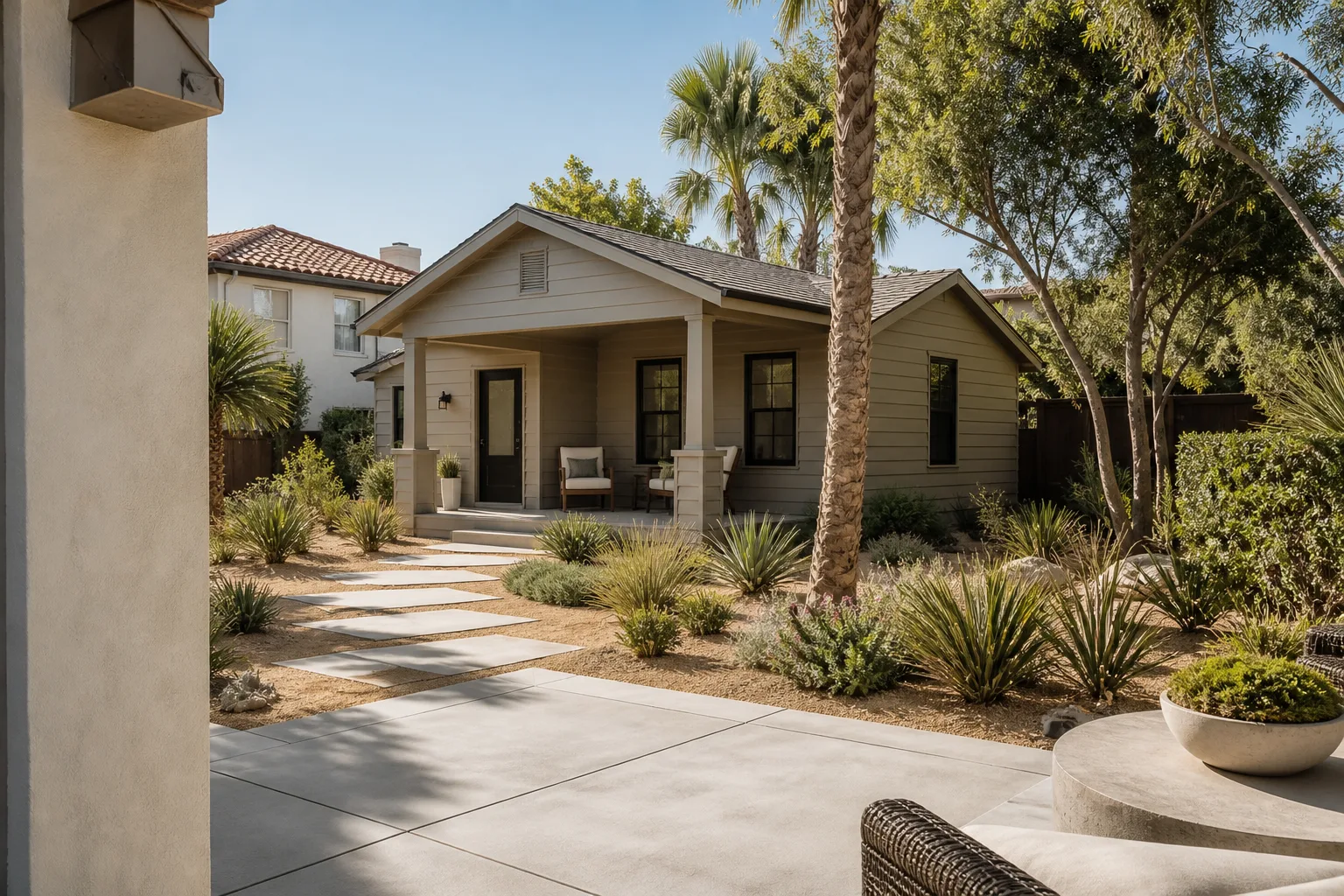
A properly installed Ameristar addition should last 40 to 60 years or more, but the tie-in points often need re-flashing and re-anchoring every 15 to 20 years because Dallas’s expansive clay soils move seasonally. The panel itself holds; the connections take the punishment. Call (903) 326-8963 for a full assessment if your tie-in is showing wear.
In most cases yes, the failed component can be repaired without rebuilding the entire addition. We regularly correct tie-in flashing, re-anchor walls, level slabs, and re-set doors on Dallas additions. Full rebuilds are rare and generally only needed when water damage has rotted enough framing to compromise the structure. Give us a call for an honest read.
A typical flashing and ledger repair on a Dallas Ameristar addition takes 3 to 5 working days. Re-anchoring a racked wall takes 5 to 10 days depending on interior access and how much drywall we open. You’ll have a written timeline before we start.
Our Dallas crews carry standard Ameristar-compatible anchor hardware, sill seal, flashing, and hold-downs from our approved brand set, which includes KraftMaid, Cambria, and Silestone for interior finish work. Specialty Ameristar-series connectors are ordered by part number before we arrive so the job doesn’t stall mid-repair. Call (903) 326-8963 to confirm what we stock for your specific panel series.
Written by Curtis Lane, Owner, Bradford Remodeling Co Dallas at Bradford Remodeling Co Dallas, serving Dallas and nearby areas.


