

Free written scope consultation - allowances, timeline, and change-order rules on paper before a single trade is scheduled
Oldcastle Kitchen Remodeling: The Dallas Owner’s Guide
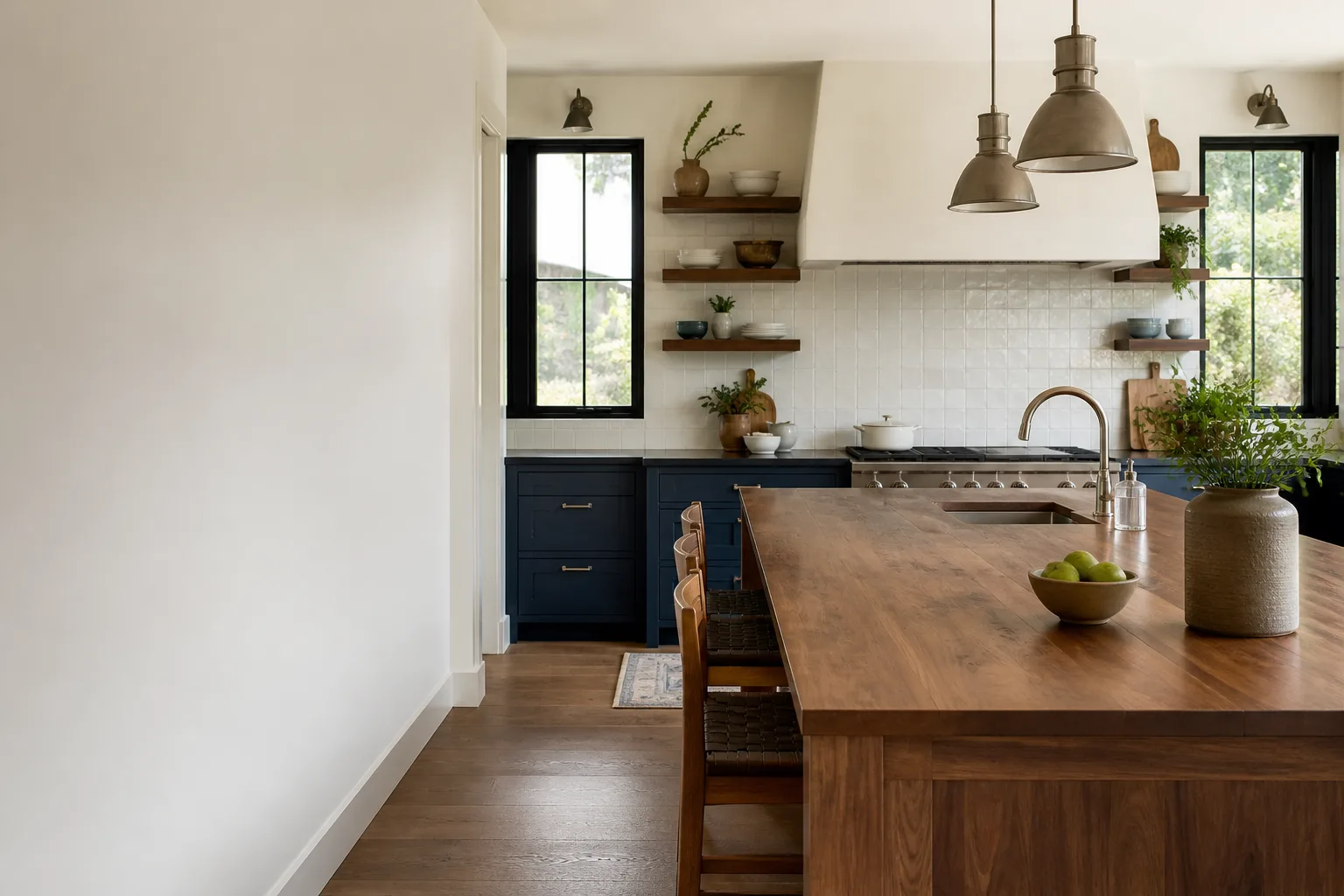
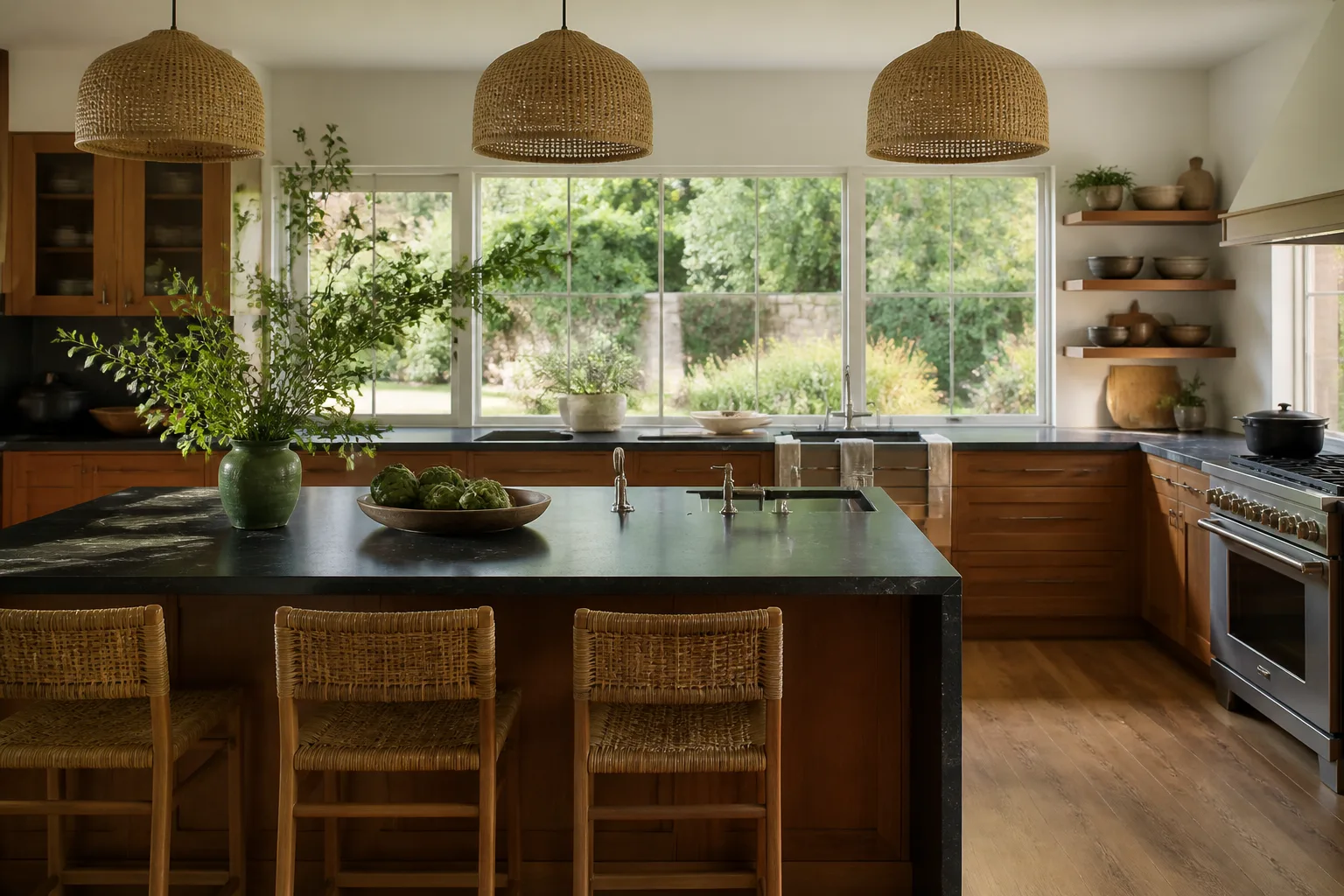
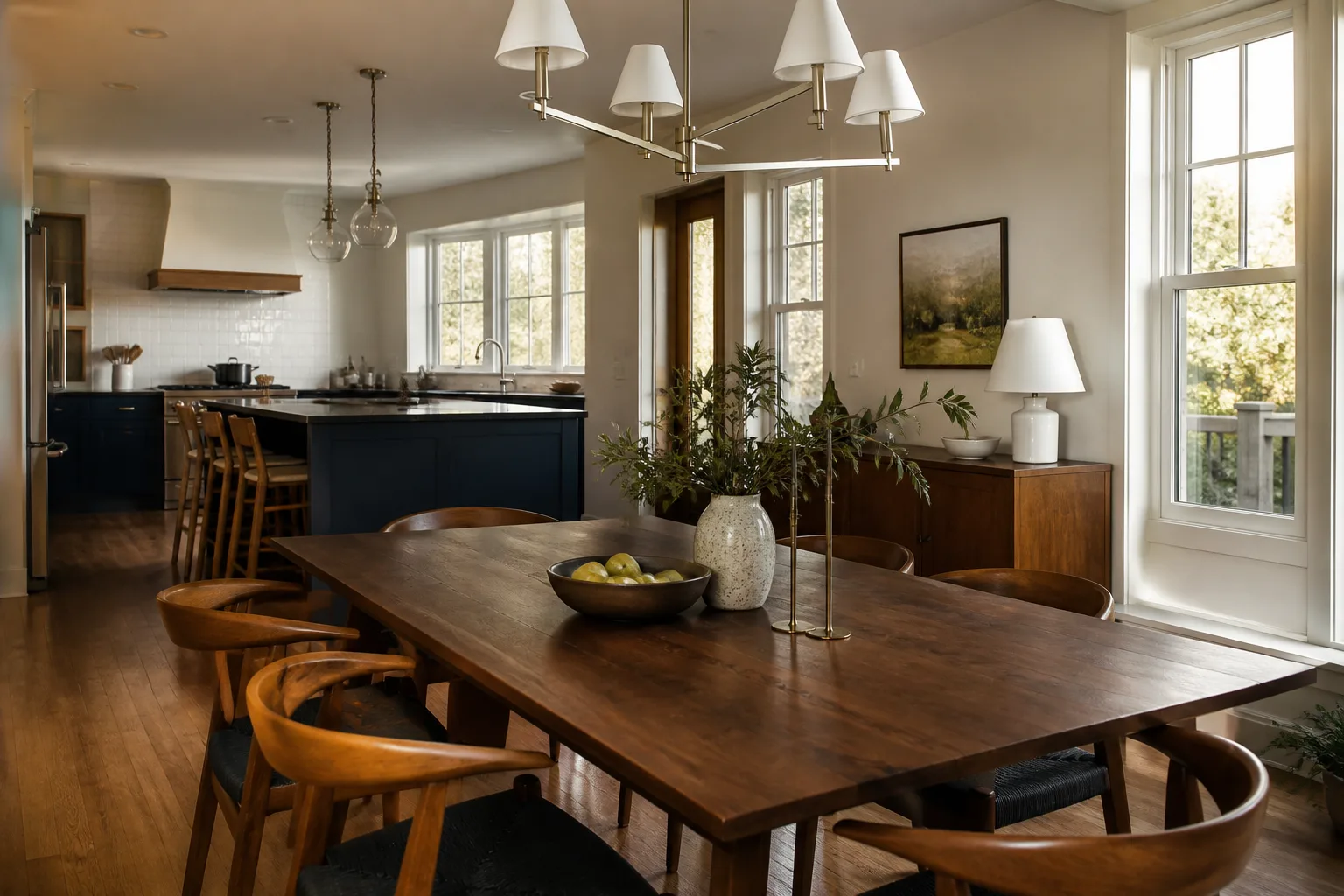
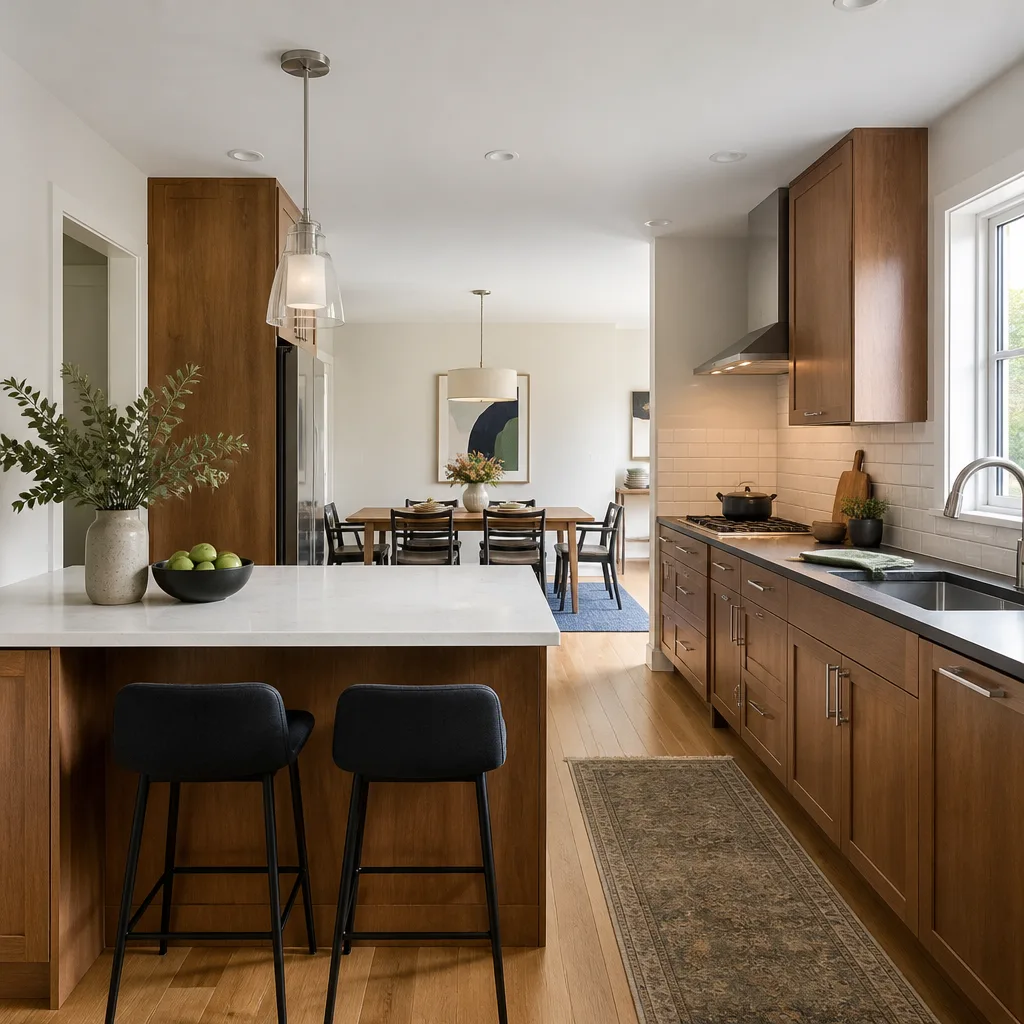
Oldcastle kitchen remodeling in Dallas typically runs $14,000 to $45,000 installed, depending on cabinet run, countertop material, and how much of the existing layout has to be dismantled before new work starts. We stock Oldcastle-compatible cabinetry components and countertop substrate on our trucks, and we can usually complete a full kitchen tear-out and install within two to three weeks once materials land. Most Dallas homeowners call us after a hinge has ripped out of a cabinet face, a drawer slide has seized, or a countertop seam has opened up because the substrate underneath swelled from years of sink splash. The work doesn’t stop at replacing the one broken piece. The question is whether the surrounding cabinets and substrate are worth saving.
Which Oldcastle Models This Applies To
Oldcastle kitchen products in the Dallas market break into two broad groups: modular cabinetry sold through big-box and builder supply channels, and countertop and surfacing materials that get fabricated and installed in slabs. The cabinetry side includes several lines with different box construction. Some use 1/2-inch particleboard panels with vinyl-wrapped doors. Others use 3/4-inch plywood boxes with solid wood face frames. The parts are not interchangeable across these lines. A hinge plate that fits a 3/4-inch face frame will not sit right on a 1/2-inch frameless box, and drawer slides are sized to specific cabinet depths, usually 18-inch or 21-inch runs. Before you order anything, pull one drawer out and look for a manufacturer stamp on the inside of the box, usually on the top edge or the back panel. Measure the face frame width, the box depth, and the overlay of the door. Those three numbers tell us more than the model name ever will. For Oldcastle specifically, we recommend OEM hardware when the cabinet box itself is still square and intact. The original hinge and slide geometry is matched to the door weight and overlay. Quality aftermarket blocks from brands like Blum or Salice work fine on standard overlays, but if you have an unusual hinge pattern, aftermarket parts will fight you on alignment. On the countertop side, the compatible part is almost always the substrate: plywood or cement board under the stone or solid surface. That’s what fails in Dallas kitchens long before the visible surface does.
Styles & brands we work with







Signs Your Oldcastle Kitchen Remodeling Is Failing
- Doors that no longer close flush. The hinge screws have stripped out of the cabinet face frame or the box panel. This is the most common Oldcastle failure in Dallas, especially on lower cabinets that get opened and closed dozens of times a day. The wood fiber around the screw gives out, and tightening the screw just spins it in place.
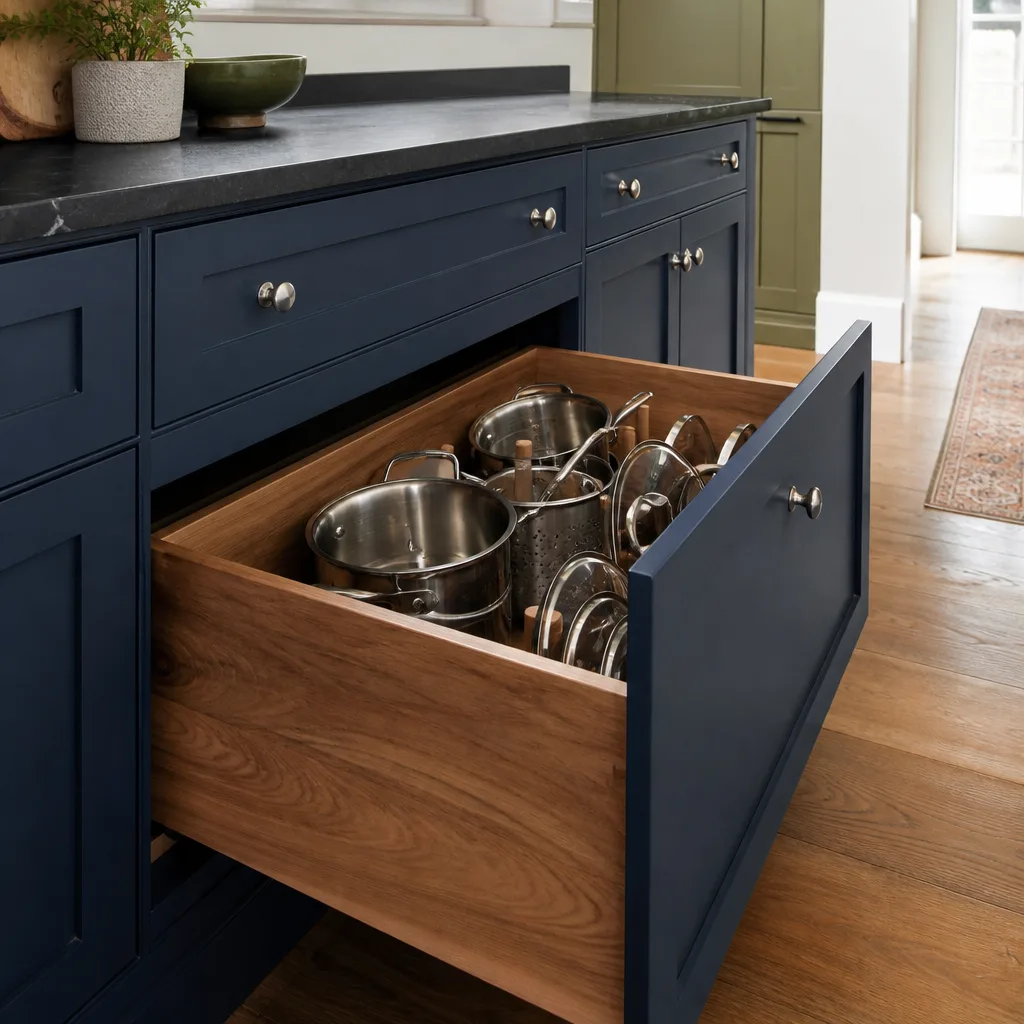
- Drawers that stick, drag, or pull out at an angle. The slide on one side has bent or lost its ball bearings. When one side fails, the drawer racks and the remaining slide wears out fast. If you hear a grinding sound when you open a drawer, the slide is already metal-on-metal.
- A countertop seam that has opened or discolored. In Dallas, the humidity swings between spring storms and summer heat cause the substrate under the seam to swell and contract. The seam opens, water gets in, and the particleboard or MDF underneath turns to mush. You’ll see the countertop dip slightly at the seam, or a dark line that won’t scrub out.
- Soft-close doors that slam. The damper in the hinge has blown out. It’s a sealed cylinder inside the hinge cup, and once it leaks, there’s no rebuilding it. The hinge still carries the door, but the soft-close feature is dead.
- Finish peeling at the bottom edge of sink base doors. That’s moisture wicking up from years of small leaks at the sink flange or supply lines. The vinyl wrap or painted finish lifts first, then the substrate swells. By the time you see peeling, the bottom rail of that door is usually compromised.
See the difference
 Before
 After
After Before
 After
After Before
 After
AfterReplacement Cost & What’s Included
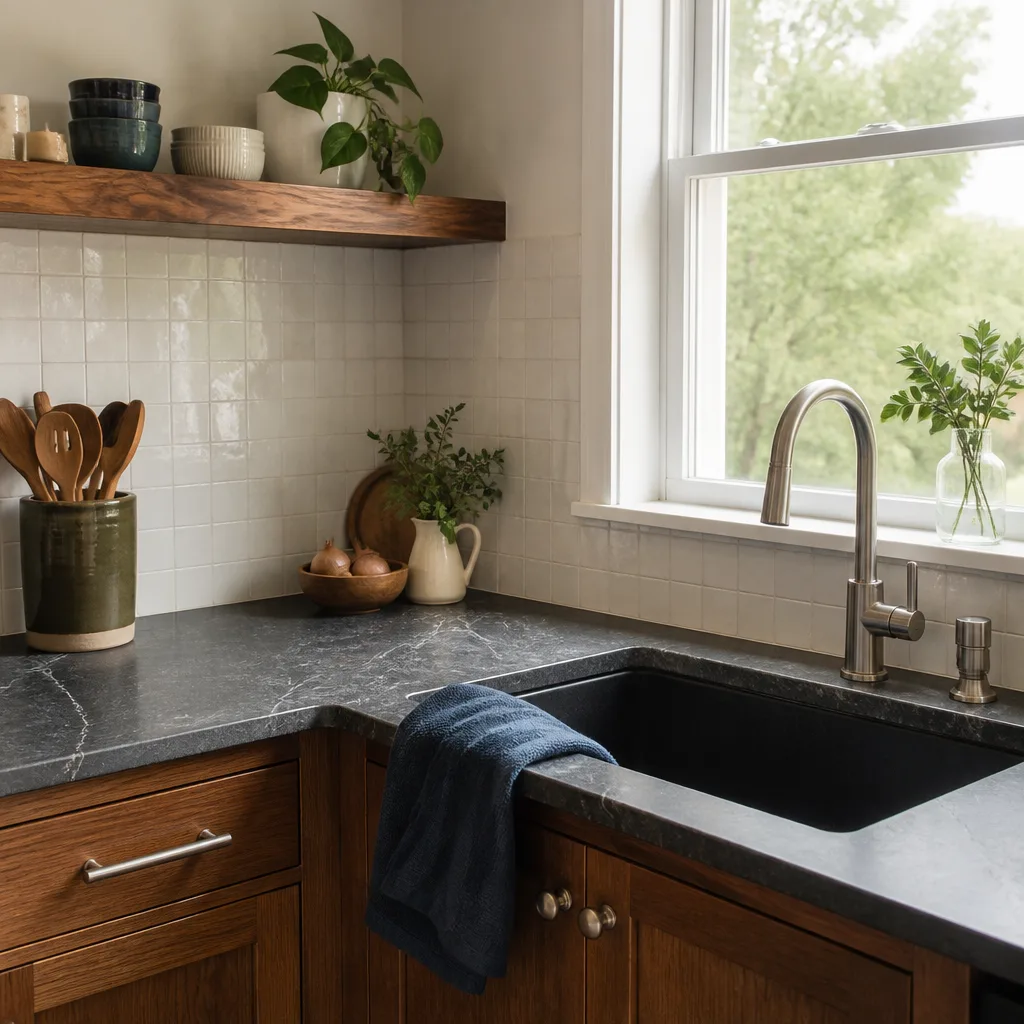
In Dallas, a full Oldcastle kitchen remodel lands between $14,000 and $45,000 installed. That price includes tear-out of the existing cabinets and countertops, substrate replacement where needed, new cabinet installation, countertop fabrication and install, and finish plumbing hookup at the sink and dishwasher. On the lower end, you’re looking at a smaller kitchen footprint, stock cabinet sizes, and laminate or basic quartz tops. On the higher end, you’re paying for custom cabinet runs, a larger kitchen, stone fabrication with a full-height backsplash, and possibly moving a drain or gas line. A small kitchen remodel runs $9,000 to $20,000. Cabinet installation alone runs $4,000 to $13,000. Countertops run $2,000 to $6,500. Backsplash runs $800 to $2,500. With Bradford Remodeling, the written price you receive before we start is the price on the invoice. That’s The Garrison Standard: a real number, in writing, before the first tool comes out. If the work fails inside one year, the 365-Day Done Right Promise means we come back and correct it at no charge. No renegotiation, no change order. We put that in writing too.
DIY or Call Us?
Some of this work is safe for a homeowner. Replacing a hinge or a drawer slide is straightforward if you can match the part and the holes line up. Adjusting door alignment with the hinge screws is fine. What we don’t recommend is pulling countertops or cabinets yourself, and I’ll tell you why. Oldcastle cabinet boxes in Dallas homes that are 15 years old or more often have water damage hiding behind the back panel or under the sink base. Once you pull the countertop, that substrate has to be assessed and likely replaced before new tops go on. If the wall studs have moved, the new cabinets won’t hang square without shimming and blocking. And the countertop seam problem is not a caulk-and-forget fix. The substrate has to come out, dry, and be replaced or the new seam fails the same way. If you’re not sure whether the box is worth saving, call us at (903) 326-8963 and we’ll look at it. A site visit and a written quote cost you nothing.
FAQs
In Dallas, Oldcastle kitchen cabinets typically last 10 to 20 years before hinge screw holes strip, drawer slides fail, or water intrusion destroys the sink base. Particleboard boxes fail sooner than plywood boxes, especially in kitchens with high humidity or repeated sink leaks. Call (903) 326-8963 if you want us to assess whether your boxes are worth keeping.
Yes, if the cabinet box is square and dry, we can replace hinges, slides, door fronts, and drawer boxes individually. The decision comes down to whether the box itself is intact. Once the bottom panel of a sink base swells from water, that cabinet is done. We’ll give you a straight answer on which route makes sense, and a written quote either way.
Most full Oldcastle kitchen remodels in Dallas take two to three weeks from tear-out to final walk-through. Custom cabinet runs and stone fabrication can add a week or two. We’ll put the schedule in writing before work starts, and we’ll tell you early if a material availability issue is going to move the date.
We stock the common failure parts on our service trucks: hinge plates, soft-close hinges, drawer slides, and cabinet hanging hardware. For Oldcastle-specific door fronts, drawer boxes, and matching finishes, we order from OEM or partner fabricators, which usually takes three to seven days in the Dallas area. We also work with KraftMaid, Cambria, and Silestone when the right move is an upgrade rather than a patch.
If your Oldcastle kitchen is showing its age, or one failed part has you wondering whether the rest is far behind, call (903) 326-8963. We’ll send a crew chief to look at the actual condition of your cabinets and counters, and you’ll have a written price in hand before you make any decision. Straight number, real scope, no surprises on delivery day.
Written by Curtis Lane, Owner, Bradford Remodeling Co Dallas at Bradford Remodeling Co Dallas, serving Dallas and nearby areas. Curtis grew up in Los Angeles and learned residential carpentry at Los Angeles Trade-Technical College before spending close to two decades running kitchen and bath remodels across Dallas, including a stretch of gut-jobs in Lakewood that taught him what 1950s-era plaster does to a schedule.


