
Free written scope consultation - allowances, timeline, and change-order rules on paper before a single trade is scheduled
Cambridge Pavers Home Additions & ADU: The Dallas Owner’s Guide
If you’re planning a home addition or ADU in Dallas with Cambridge Pavers as the hardscape anchor, installed costs typically run $45,000 to $130,000 depending on square footage, utilities, and site prep. Bradford Remodeling Co Dallas installs Cambridge Paver systems tied directly into new foundation, framing, and exterior envelope work. We’re an independent contractor, not affiliated with Cambridge Pavers, which means we specify the paver system that matches your existing hardscape without a brand rep steering the scope.
Most Dallas homeowners don’t call us because a paver failed. They call because a previous addition wasn’t tied into drainage properly, and now the pavers at the transition point have settled, cracked, or pulled away from the slab. Clay soil expansion in Dallas makes this worse than almost any other market. When the soil moves, the joint between new construction and existing hardscape is where you’ll see it first.
Which Cambridge Pavers Models This Applies To

Cambridge produces multiple paver product lines, and the right match depends on what’s already on your property. The three most common we see on Dallas additions and ADUs are the Ledgestone series (tumbled, irregular edges), the Sherwood line (clean cut, modular dimensions), and the ArmorTec surface treatment, which is a topical hardening applied to several Cambridge series. ArmorTec is not a separate paver type. It’s a factory finish, and it changes how the paver ages under Dallas sun exposure.
Here’s the compatibility gotcha most homeowners miss: Cambridge color lots vary by batch. If you’re tying a new ADU patio into an existing Cambridge paver walkway, you need to confirm the original color code from the manufacturer’s marking on one of the existing pavers, not from memory or a photo. Colors like Sierra and Toffee drift noticeably between production runs. We verify the existing color lot before we order, and we order 8-10% overage for cuts and future replacements. That’s the difference between a matched addition and a patchwork one.
For OEM versus aftermarket: Cambridge pavers don’t have a functional “part” problem the way mechanical equipment does. The relevant choice is whether the paver itself matches the existing lot, and whether the base material beneath it is spec’d correctly. We use Cambridge product whenever matching existing hardscape, and we won’t substitute a different manufacturer’s paver to shave cost. The material difference on a 400-square-foot patio is real money, but a mismatched paver line drops resale value and looks wrong every single day.
Styles & brands we work with







What Fails First: Drainage, Base, or the Paver Itself
In Dallas, the paver almost never fails first. What fails is what’s under it. Here’s what we see on additions and ADUs in this market:
- Base washout at the transition line. When an addition’s downspouts or roof runoff weren’t re-routed during construction, water channels along the new foundation edge and erodes the paver base. The pavers then tilt or sink at exactly that seam. Fixing it means correcting the drainage, not just re-laying pavers.
- Joint sand migration after the first heavy rain. New construction settles. If the addition’s soil wasn’t compacted in lifts, the base under the paver area compresses unevenly, and joint sand washes through. You’ll see paver edges chipping as they shift against each other.
- Clay soil heave in winter wet cycles. Dallas sits on expansive clay. When the ground saturates and dries repeatedly, any paver area without a properly compacted, geotextile-separated base will heave. We saw this repeatedly on gut-job additions in Lakewood, where 1950s-era lot grading left water nowhere to go.
- Surface wear on high-traffic threshold points. Entry paths between the ADU door and the main house carry concentrated foot traffic. Without an ArmorTec-type factory hardening or a sealing maintenance schedule, those specific pavers show wear years before the rest.
- Efflorescence from trapped moisture. A white, chalky bloom on paver surfaces means moisture is wicking through and carrying minerals. It’s usually cosmetic, but it tells you the base isn’t breathing the way it should, and in Dallas that means a drainage correction is coming eventually.
See the difference
 Before
 After
After Before
 After
After Before
 After
AfterReplacement Cost & What’s Included
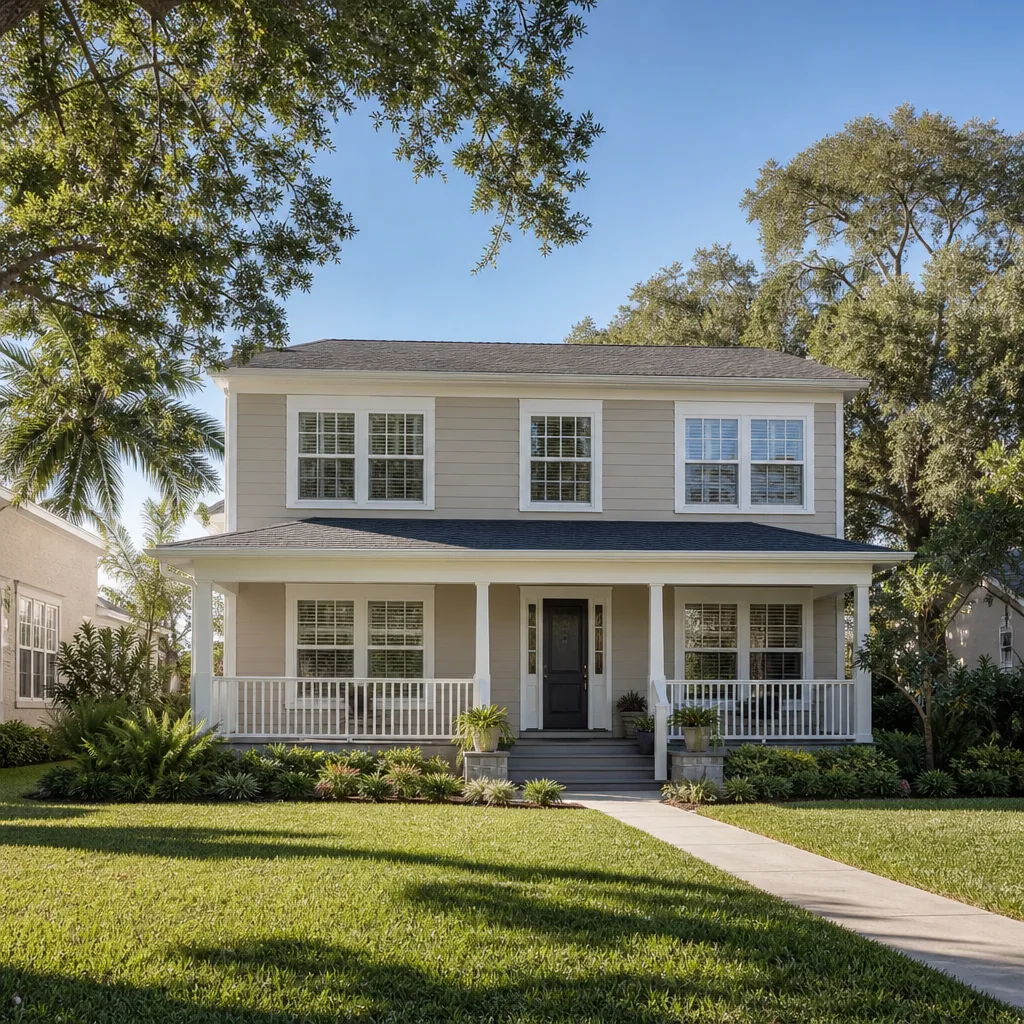
In Dallas, a Cambridge Paver addition or ADU construction runs $45,000 to $130,000 installed. That range covers everything from a modest bump-out with a small paver entry to a full detached ADU with a large paver surround. The paver portion itself, as a component of that scope, typically lands between $7 and $18 per square foot for pavers on a new compacted base, depending on the Cambridge series and whether we’re cutting around new foundation lines or gas and electrical rough-ins already in place.
What moves the number most is site work: soil compaction, drainage correction, utility trenching, and where the addition ties into the existing structure. A flat Dallas lot with good drainage runs lower. A sloped lot or heavy clay that needs over-excavation and re-compaction runs higher.
Every Bradford Remodeling Co Dallas addition or ADU quote is a written price before we start. You’ll get the paver line item, the base spec, and the labor separated on paper. No numbers that move at the door. And every completed project carries the 365-Day Done Right Promise: if the work fails within one year, we come back and correct it at no charge. That includes paver settlement at transition points, which is exactly where most addition work goes wrong.
DIY or Call Us?
You can safely check a few things yourself: look for standing water against the addition foundation after rain, note any pavers that rock underfoot, and check whether joint sand is washing out at the transition line. That tells you whether the problem is drainage, compaction, or just cosmetic.
What you should not do is pull up a line of pavers along your foundation yourself. The base underneath a settling paver area near new construction can hide a drainage problem that runs under the slab edge. Digging blind there can worsen the erosion and create a channel straight toward your foundation. And if the ADU’s gas or electrical lines were run near that edge, you don’t want a shovel finding them first. That’s a job for a trained crew with the utility layout in hand.
If you’re seeing settled pavers at an addition seam, call us at (903) 326-8963. We’ll inspect the transition, check the base, and give you a straight number on what it takes to make it right.
FAQs
A properly installed Cambridge paver system in Dallas typically lasts 25 to 40 years before individual pavers need replacement, with the base and drainage functioning correctly the entire time. Joint sand needs top-up every two to three years, and Dallas clay soil means drainage corrections may be needed earlier than the paver itself wears out. Call (903) 326-8963 if you’re seeing settlement, and we’ll tell you whether it’s a maintenance issue or a base problem.
Yes, in most cases we can pull the affected pavers, correct the base and drainage issue, and re-lay the same pavers if they haven’t chipped or cracked. If the color lot has sun-faded and replacement pavers are needed, we’ll confirm the original Cambridge color code and order only the square footage required. The cost for a repair like this runs well below a full replacement, usually a line item within a $800 to $2,500 range depending on how much base correction is required.
A paver install on a Dallas addition or ADU usually takes two to five working days from excavation through final compaction, depending on square footage and whether drainage correction or utility coordination is required. Larger paver surrounds on full ADU builds run longer when we’re sequencing with concrete work, electrical rough-in, and framing sign-off. We’ll give you a written schedule before work starts so you know exactly when the walkway is back in service.
We don’t warehouse Cambridge Pavers in volume because matching the existing color lot is the priority, and that requires a confirmed production code. We order direct from the manufacturer’s Dallas distribution channel once we’ve verified the lot. Standard Cambridge lines are typically available within five to ten business days in the Dallas market. Custom or lower-volume color blends can run three to four weeks. Part of what we carry on the truck are the materials that fail fastest: joint sand, edge restraint, compaction gear, and geotextile fabric, so we’re not waiting on a supply house for the base corrections.
Straight number, real scope, no surprises on delivery day. That’s how Curtis Lane runs every Bradford Remodeling Co Dallas project, and it applies to the paver work just as much as the framing, the roof, and the finish work. We also work with the full brand set, including KraftMaid cabinetry, Cambria and Silestone countertops, when your addition or ADU includes a kitchen or bath. The Garrison Standard is the framework behind every one of those pieces: written pricing before work starts, documented scope at close, and a signed guarantee in your hand before we leave the site.
If you’ve got a Cambridge Paver hardscape tied to a new addition or ADU in Dallas and something’s not right at the transition, call (903) 326-8963. We’ll walk the site, tell you what’s going on under the pavers, and put a written price in front of you. No pressure, no surprises.
Written by Curtis Lane, Owner, Bradford Remodeling Co Dallas at Bradford Remodeling Co Dallas, serving Dallas and nearby areas.


