

Free written scope consultation - allowances, timeline, and change-order rules on paper before a single trade is scheduled
Jerith Home Additions & ADU: The Dallas Owner’s Guide
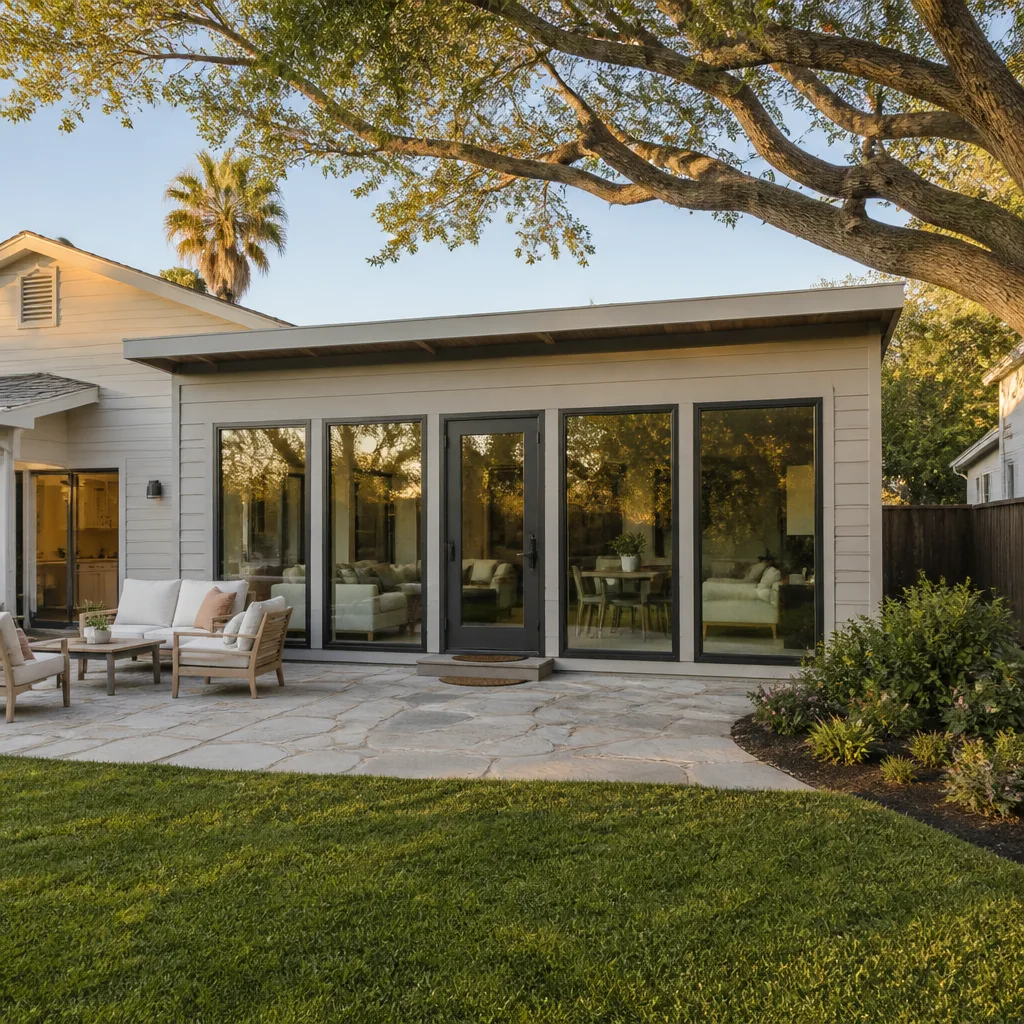
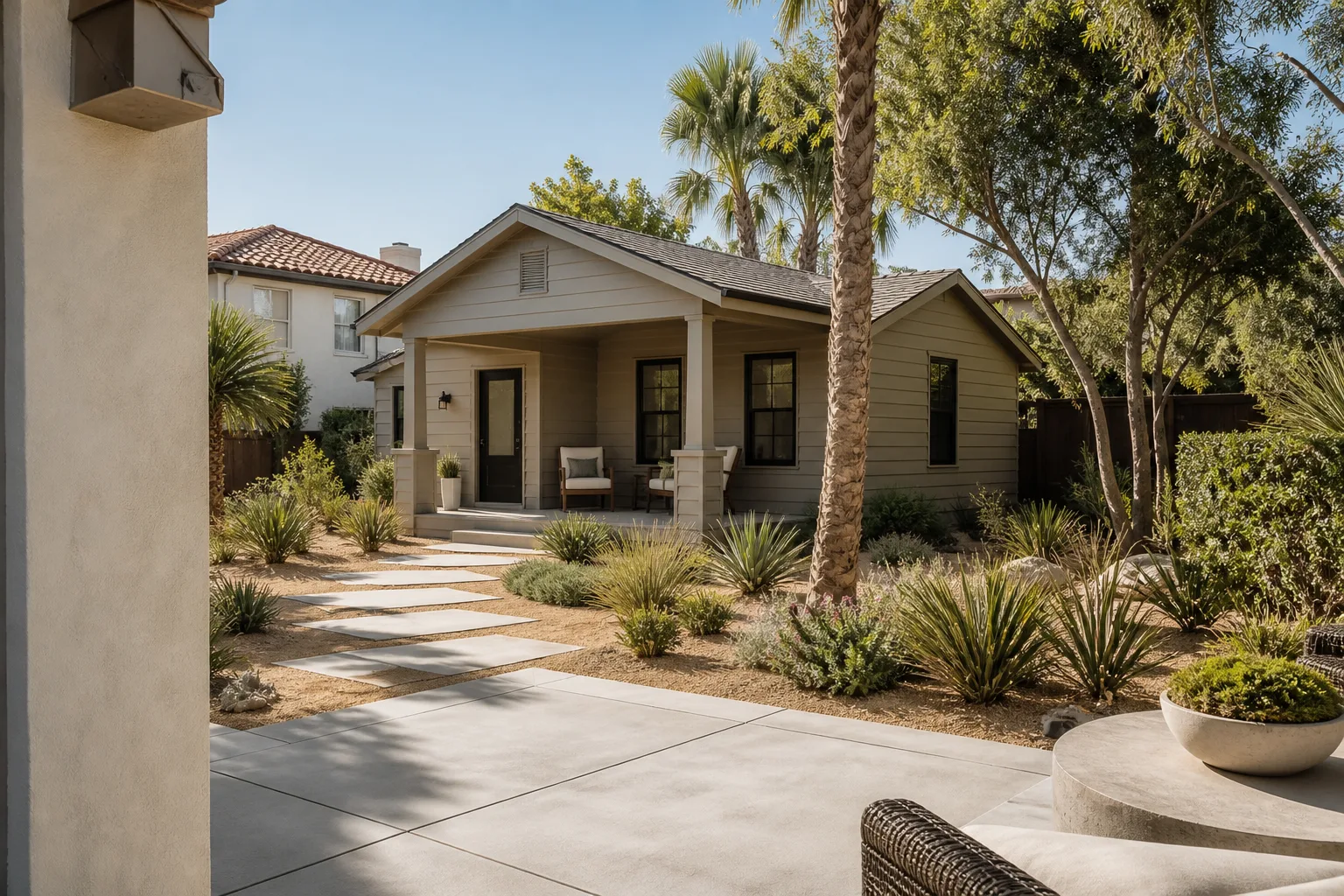
Jerith home additions and ADU construction in Dallas typically runs $45,000 to $130,000 for a full addition, and $90,000 to $220,000 for a detached accessory dwelling unit. We install and finish Jerith-compatible framing, roofing, and exterior systems as part of our general contracting service, and when an existing Jerith structure has a failing component, we quote the repair or replacement with the same written price we give on day one. The way Dallas owners usually find us is a window that no longer seals after a foundation shift, or flashing that’s pulled away from a Jerith gable after a spring storm cycle.
Most of the Jerith work we see in Dallas isn’t the initial build. It’s the follow-up: a section of the addition that’s settled differently than the original slab, a soffit that’s holding moisture, or a tie-in wall where the original contractor didn’t flash the seam correctly. Those are the jobs where the Garrison Standard matters, because the fix has to be scoped in writing before anyone picks up a tool.
Which Jerith Models This Applies To

Jerith manufactures aluminum and steel fencing, railing, and gate systems, but in Dallas, the name most often shows up around home additions and ADU projects in the form of Jerith-brand perimeter fencing, deck railings, and access gates tied into the new structure. When we’re called to a Jerith home addition or ADU, we’re typically working on the structural envelope: the wall and roof tie-ins, the window rough openings, the door frames, and the exterior trim package that makes the addition look like it was always there.
The compatibility gotcha with Jerith components is post spacing and gate hinge placement. Jerith residential gate systems are engineered for specific post depths and hinge-side clearances, and if the original installer set the posts at 8-foot centers instead of the Jerith-specified 6-foot or 7-foot centers, the gate sags early and the latch stops throwing. Before we order any Jerith replacement part, we measure the actual post-to-post distance, the hinge offset, and the gate weight. The aftermarket parts we consider are only those that match Jerith’s extrusion profile and wall thickness. OEM is the default. Aftermarket only when OEM is discontinued or backordered beyond a reasonable schedule.
Styles & brands we work with







Signs Your Jerith Home Additions & ADU Is Failing
- Gate drags or won’t latch after rain. Dallas clay soil expands and contracts with moisture, and a post that was set in a wet October can shift by a half-inch by August. The gate hinge geometry goes out of square and the latch misses the receiver. The fix is usually re-setting the post in concrete with proper drainage, not just adjusting the hinge.
- Water staining at the addition’s tie-in wall. This is the seam where the Jerith structure meets the original house. If the flashing wasn’t layered correctly, or if the original contractor used caulk as a weather barrier, water gets behind the siding and rots the substrate. We see this most often on south-facing walls in Dallas, where driving rain hits hardest.
- Drywall cracks at the top corners of windows and doors in the addition. That’s differential settlement. The addition’s foundation is moving at a slightly different rate than the main structure. A hairline crack is normal in the first two years. A crack wider than a nickel that reopens after patching is not.
- Soffit panels pulling loose or holding paint blisters. Jerith aluminum soffit systems hold up well in Dallas, but they don’t drain properly if the original installer skipped the vent holes. Moisture collects, the paint loses adhesion, and you get that chalky, flaking look along the eaves.
- Nails backing out of the deck railing top caps. In Dallas heat, wood and composite expand and contract at different rates. When the top cap was fastened with nails instead of screws and construction adhesive, the nails push up over two or three seasons and the railing feels spongy in the hand.
See the difference
 Before
 After
After Before
 After
After Before
 After
AfterReplacement Cost & What’s Included

For Jerith-specific repair and replacement work on an existing home addition or ADU in Dallas, you’re looking at these installed ranges:
- Gate post re-set and hinge realignment: $400 to $1,800 per post, depending on access and concrete removal.
- Complete Jerith gate replacement with new hardware: $2,000 to $6,500 installed, including the post inspection and hinge package.
- Full home addition (new build, Jerith fencing and finish tied in): $45,000 to $130,000.
- Detached ADU construction: $90,000 to $220,000.
- Garage conversion to living space: $30,000 to $80,000.
The range moves on three things: the condition of the existing structure we’re tying into, the amount of concrete work required, and whether we’re matching existing Jerith finish or starting fresh. Every quote we write includes the parts, the labor, the permit scope, and the cleanup. The written price you sign is the price you pay. If the work fails inside the 365-Day Done Right Promise window, we come back and correct it at no charge. No re-quoting, no re-negotiation.
DIY or Call Us?
You can check your Jerith gate posts for movement with a 4-foot level and a tape measure. You can inspect the flashing at your addition’s tie-in wall for gaps, and you can tighten loose deck railing screws if the substrate below is still solid. That’s a Saturday job.
You should not attempt to re-set a Jerith gate post that’s shifted more than an inch, re-hang a gate that weighs over 60 pounds, or open up a tie-in wall to chase a water leak. The gate under tension can swing hard and take fingers. The rotted substrate behind a tie-in wall is usually worse than it looks from the outside, and the repair involves structural reframing, not just caulk. Call (903) 326-8963 and we’ll send someone who’s done this work in Dallas for nearly twenty years. Curtis Lane has opened enough Lakewood-era additions to know what’s behind that siding before we cut into it.
FAQs
A properly built Jerith-tied addition in Dallas lasts 30 to 50 years on the structural shell, with exterior components like fencing and gates lasting 15 to 25 years depending on sun exposure and soil movement. The weak point is almost always the tie-in flashing and the gate posts, not the Jerith materials themselves. Call (903) 326-8963 if you’re seeing early failures, and we’ll tell you whether it’s normal settlement or a construction defect.
Yes, in many cases. A shifted gate post can be re-set if the post itself isn’t bent or corroded. A tie-in wall can be repaired if the framing is sound and we’re just re-flashing and re-siding. If the substrate is rotted or the post is bent, replacement is cheaper than repeated patching. We’ll show you the condition in writing before we quote either way.
A single Jerith gate post re-set usually takes one day. A full tie-in wall repair runs three to five days depending on framing and siding scope. A complete home addition runs two to four months, and a detached ADU runs three to six months from permit to final inspection. We give you a written schedule with the quote, and we hold to it.
We stock common Jerith hinge sets, latch hardware, and railing fasteners on the truck for emergency repairs in Dallas. Full gate panels and custom-length Jerith railing sections are ordered per job, matched to the exact extrusion profile and color code of your existing system. We also stock compatible materials from KraftMaid, Cambria, and Silestone for interior finish work when the scope calls for it.
Straight number, real scope, no surprises on delivery day. Call (903) 326-8963 for a free estimate on your Jerith home addition or ADU repair in Dallas.
Written by Curtis Lane, Owner, Bradford Remodeling Co Dallas at Bradford Remodeling Co Dallas, serving Dallas and nearby areas.


