

Free written scope consultation - allowances, timeline, and change-order rules on paper before a single trade is scheduled
Oldcastle Home Additions & ADU: The Dallas Owner’s Guide
Bradford Remodeling Co Dallas builds and installs Oldcastle-compatible home additions and ADUs in Dallas with written pricing before any work starts. A full home addition in Dallas typically runs $45,000 to $130,000, while a standalone ADU runs $90,000 to $220,000 depending on square footage, foundation work, and utility rough-ins. Most owners call us because their existing structure has failed at a load-bearing point, a foundation issue has appeared, or an original build was never permitted and now needs to be brought to code.
What homeowners usually discover first is a door that no longer closes square, drywall cracking along a seam that keeps reopening, or water working its way in where the addition meets the original house. These are not cosmetic problems. They point to settling, improper flashing at the tie-in, or a foundation that was never sized for the load. If you’re seeing any of that, keep reading. This page tells you what’s actually wrong, what it costs to fix in Dallas, and how we handle the job from first measurement to final inspection.
Key Takeaways:
- Dallas home addition construction: $45,000 – $130,000 installed, depending on scope and site conditions.
- ADU construction: $90,000 – $220,000, with utility runs and foundation type being the biggest cost variables.
- We are an independent Dallas contractor, not affiliated with Oldcastle. We work with Oldcastle block and masonry products regularly and know how they behave in North Texas soil.
- Every project gets a written price before work begins and the 365-Day Done Right Promise in writing at close.
Which Oldcastle Models This Applies To
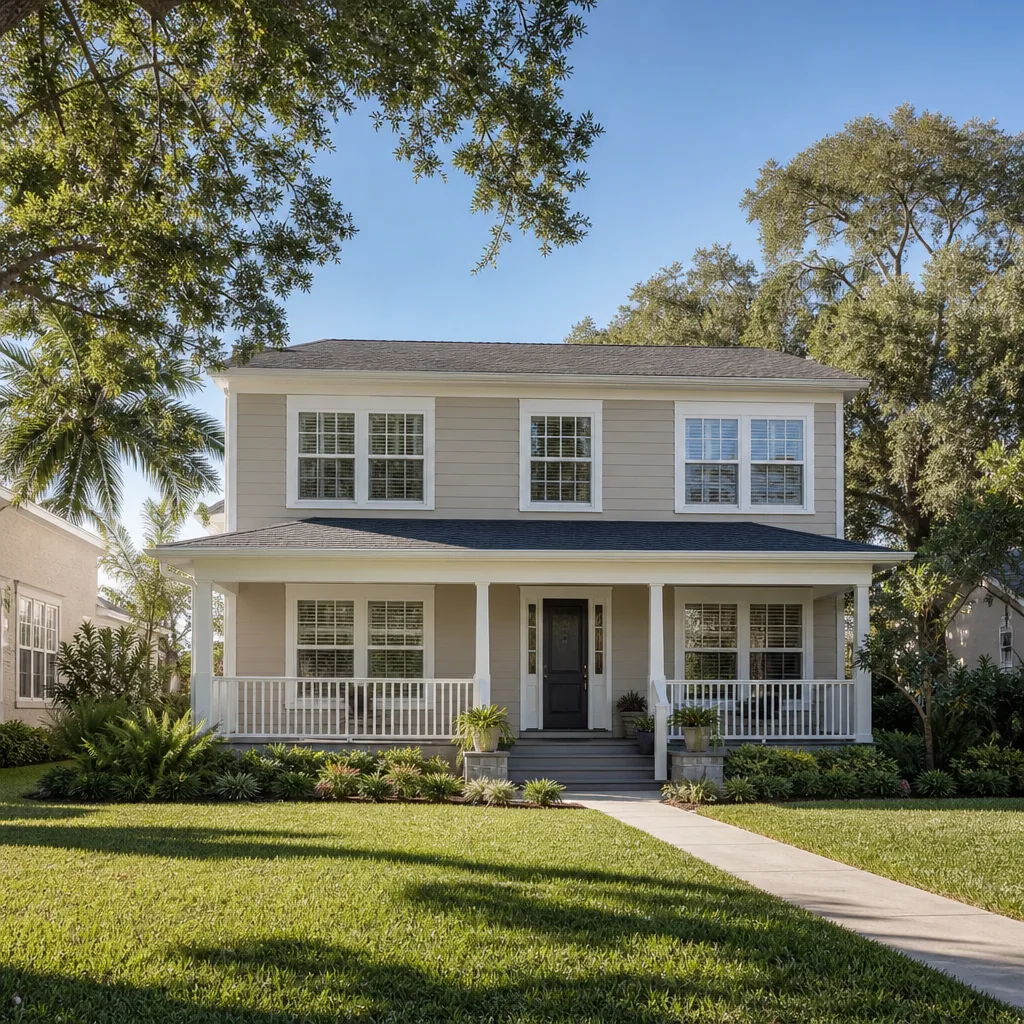
The Oldcastle name shows up in Dallas on two fronts: structural concrete block and retaining wall / hardscape systems. When an addition or ADU was built on an Oldcastle CMU foundation or stem wall, or when Oldcastle segmental block was used for a retaining wall tied to the structure, the failure points are predictable. Compatibility matters because not every Oldcastle block line is rated for the same load. Standard 8-inch CMU carries a residential wall fine. But some Oldcastle decorative block products sold for landscaping are not structural, and we’ve seen them used in Dallas as foundation fill or wall cores where they do not belong. That’s a tear-out.
Identifying what you have is straightforward. Look for a product code stamped or molded into the block face, usually a two- or three-letter prefix plus a size designation. Measure the nominal width: 4, 6, 8, 10, or 12 inches. If the block was installed before 2010 in Dallas, there’s a good chance it’s an older Oldcastle line no longer in production, and the aftermarket equivalent is what we spec. For structural work, we match the compressive strength rating, not just the dimensions. In Dallas’s expansive clay soil, an addition built on block with the wrong strength rating will show hairline cracking within three to five years. We’ve pulled enough of them apart in East Dallas, Lake Highlands, and Richardson to tell you exactly what you’re looking at before we quote.
One more compatibility gotcha: Oldcastle architectural block with a split-face finish does not take paint or parging the same way standard smooth block does. If you have a failed tie-in and want the repair to match an existing split-face wall, the block has to be sourced from a matching batch or the patch will always read as a patch. We note this on every Dallas addition repair quote because nobody wants a visible seam on a $100,000 project.
Styles & brands we work with







Signs Your Oldcastle Home Additions & ADU Is Failing
- Stair-step cracking through the block joints. This is the classic Dallas expansive-soil signature. As the clay under the slab expands and contracts through wet-dry cycles, the stem wall shifts enough to shear the mortar joints. It’s not a surface issue. It means the footing or the soil preparation under the footing was undersized for the structure.
- A door or window in the addition that binds seasonally. Frame distortion from a shifting foundation will show up at door and window frames first. If the door only sticks after heavy rain or after a long dry spell, the soil under one corner is moving more than the rest. That’s a foundation and drainage problem, not a door problem.
- Water staining at the joint between the original house and the addition. The tie-in point is where most Oldcastle-based additions in Dallas fail. Flashing at a roofline connection or a wall-to-wall junction gets installed wrong, settles, or is simply missing. Once water gets behind the block, efflorescence follows, then spalling.
- Horizontal cracking along a mortar bed near the base of a retaining wall tied to the structure. A retaining wall that is taking load from the addition above it will bow and crack horizontally when the drainage behind it fails. Hydrostatic pressure behind the wall is the underlying cause. French drains and weep holes get clogged with Dallas clay.
- Sagging or bouncy floor in the addition. When an addition is tied to an existing slab and the new section settles differently than the original, the floor framing above shows it. You’ll feel a spring in the floor or see a gap opening under baseboards. The joists are fine. The support under them is not.
See the difference
 Before
 After
After Before
 After
After Before
 After
AfterReplacement Cost & What’s Included
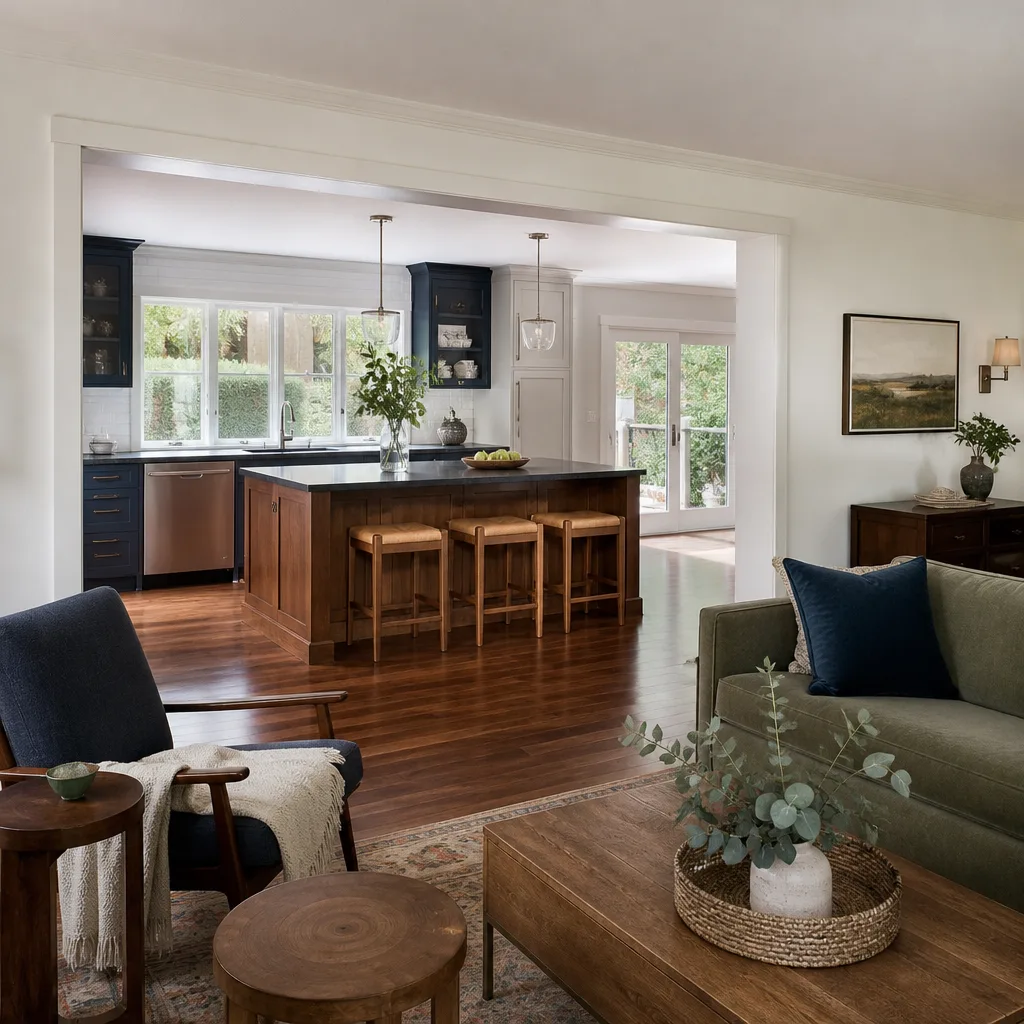
In Dallas, a full home addition built to code runs $45,000 to $130,000. An ADU runs $90,000 to $220,000. The spread comes down to square footage, whether we’re tying into an existing slab or pouring a new foundation, how far the utility rough-ins have to run, and what condition the soil compaction is in once we open the ground. A repair to a failing tie-in or a foundation correction on an existing Oldcastle block structure lands lower, but the exact number depends on what we find once the wall is opened. We do not guess and we do not pad.
Every Bradford Remodeling Co Dallas quote includes a written line-item price, the specific Oldcastle or equivalent block spec, the rough-in scope, permit costs, and the schedule. The 365-Day Done Right Promise covers the completed work for a full year in writing. If the repair or build fails inside that window, we come back and correct it at no charge. No change orders that appear at the door. No re-priced scope after demo. Curtis Lane and the crew have spent enough years in Dallas pulling permits and passing inspections to know what a straight number looks like before a single tool comes out.
DIY or Call Us?
You can safely check a few things yourself: walk the interior and mark every crack with painter’s tape and a date, then check back after the next heavy rain. That tells you whether movement is active. Look at the ground around the addition and see if downspouts are dumping water within five feet of the foundation. That’s the most common correctable cause of Dallas foundation movement. You can also pull back any trim around a binding door to see if the gap is in the framing or just the trim. None of that requires a tool you don’t already own.
What you should not do is open a load-bearing wall, attempt to jack a settled corner, re-point a failed block wall that’s holding up a roof, or re-route gas or electrical lines in an ADU. Structural work on an addition is not a weekend job. A block wall under load that’s been jacked wrong will collapse suddenly and without warning, and a compromised tie-in can drop a section of roof before you react. This is the part where we tell you plainly: call a licensed Dallas contractor who does this work every week. Call (903) 326-8963 and we’ll get a straight answer on what you’re looking at and what the fix costs.
FAQs
A properly built CMU foundation on compacted soil with good drainage will last 50 years or more in Dallas. The problem is almost never the block. It’s the soil prep under it and the water management around it. Poor compaction or missing drainage can put visible cracks in an addition within five years.
Yes, if the cracking is limited to mortar joints and the block itself is intact, the wall can be re-pointed and reinforced with epoxy-set steel or carbon fiber straps. If the block faces have spalled or the wall is out of plumb, patch work will fail within a few Dallas wet-dry cycles. The repair has to address the movement, not just the crack.
A straightforward addition runs 10 to 16 weeks in Dallas once permits are issued. An ADU runs 14 to 22 weeks depending on utility runs and site access. We put the schedule in writing with the price, and we hold it unless soil conditions or city inspection timing force a documented change.
We source per project based on the structural spec and the finish match. For common 8-inch CMU we have regular local supply, but split-face and architectural Oldcastle block lines are ordered to match batch and color. Trying to pull matching block off a shelf in Dallas is how you end up with a patch wall that never looks right. Call (903) 326-8963 for an exact quote on your project. Estimates are free and the written price is yours to keep.
Written by Curtis Lane, Owner, Bradford Remodeling Co Dallas at Bradford Remodeling Co Dallas, serving Dallas and nearby areas.


