
Free written scope consultation - allowances, timeline, and change-order rules on paper before a single trade is scheduled
Sterling Home Additions & ADU: The Dallas Owner’s Guide
If you’re planning a home addition or ADU in Dallas, you’re likely looking at a $45,000 – $130,000 installed range, depending on square footage, foundation work, and finish level. Bradford Remodeling Co Dallas works with Sterling product lines and the materials that surround them, and we give you a written price before any work starts. The usual call starts with homeowners noticing their existing structure isn’t holding up: cracking drywall at the roofline tie-in, water staining at the junction where the addition meets the original house, or a slab that’s moved enough to split tile inside.
Most failed additions in Dallas trace back to three things: poor flashing at the roofline intersection, foundation soil movement (our clay expands and contracts more than most owners expect), or undersized framing at the load points. We walk the site, identify which problem you’re actually dealing with, and price the correction the same day.
Which Sterling Models This Applies To
Sterling’s home addition and ADU product lines span a few distinct categories: pre-engineered room modules, the ADU shell kits, and the integrated garage-to-dwelling conversion packages. Each one uses different tie-in hardware and different flashing specifications, which matters more in Dallas than in markets with less extreme temperature swings. The thermal expansion between an original 1960s slab and a new Sterling module will open a gap at the seam if the right expansion hardware isn’t installed. We’ve seen it happen in Preston Hollow and Lake Highlands more times than we can count.
To identify which Sterling configuration you have, look for the specification plate mounted inside the electrical panel door or on the framing at the module’s corner post. The plate lists the series number and the engineering date. If the plate is gone, measure the wall studs: older Sterling kits used 2×4 framing, while the current ADU shells run 2×6 exterior walls to hit the updated Texas energy code. That measurement tells us which flashing kit and which door/window rough-in packages will actually fit without field modification.
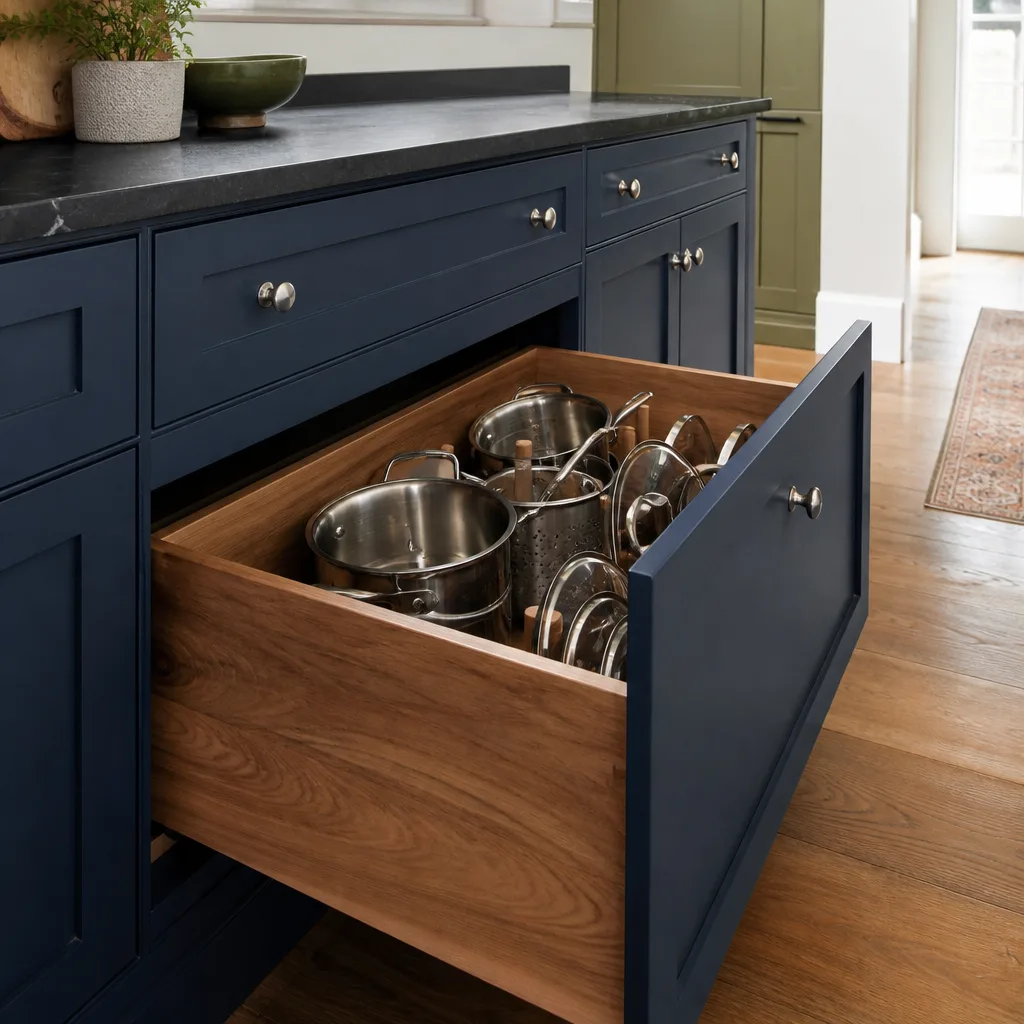
On the OEM versus aftermarket question: for structural connectors and flashing, we order OEM Sterling parts because the gauge and profile are engineered to match the module’s exact geometry. For interior finish materials like drywall, trim, and millwork, quality aftermarket equivalents from our documented brand roster (KraftMaid, Cambria, Silestone among them) perform identically and often carry better manufacturer warranties than the original spec.
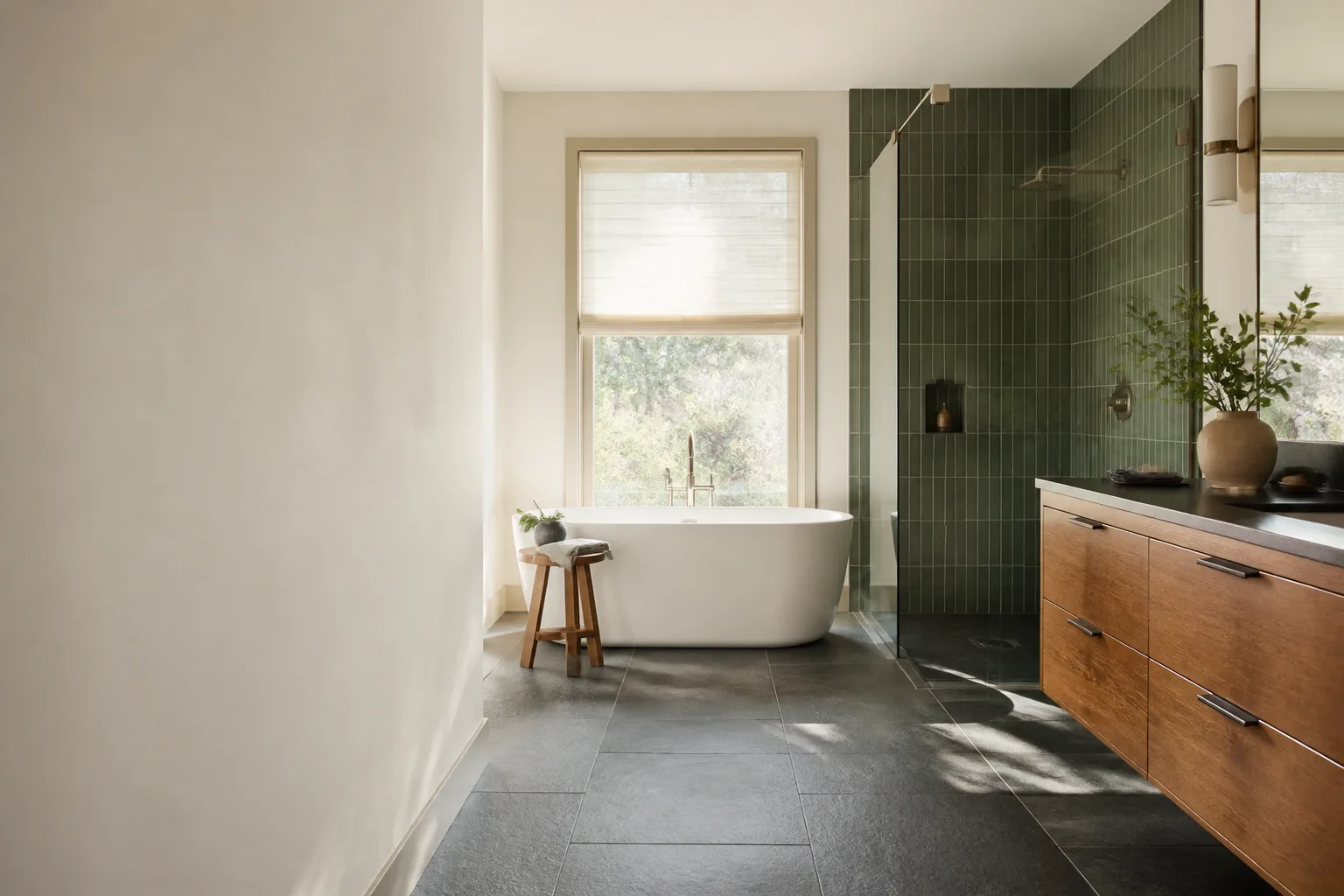
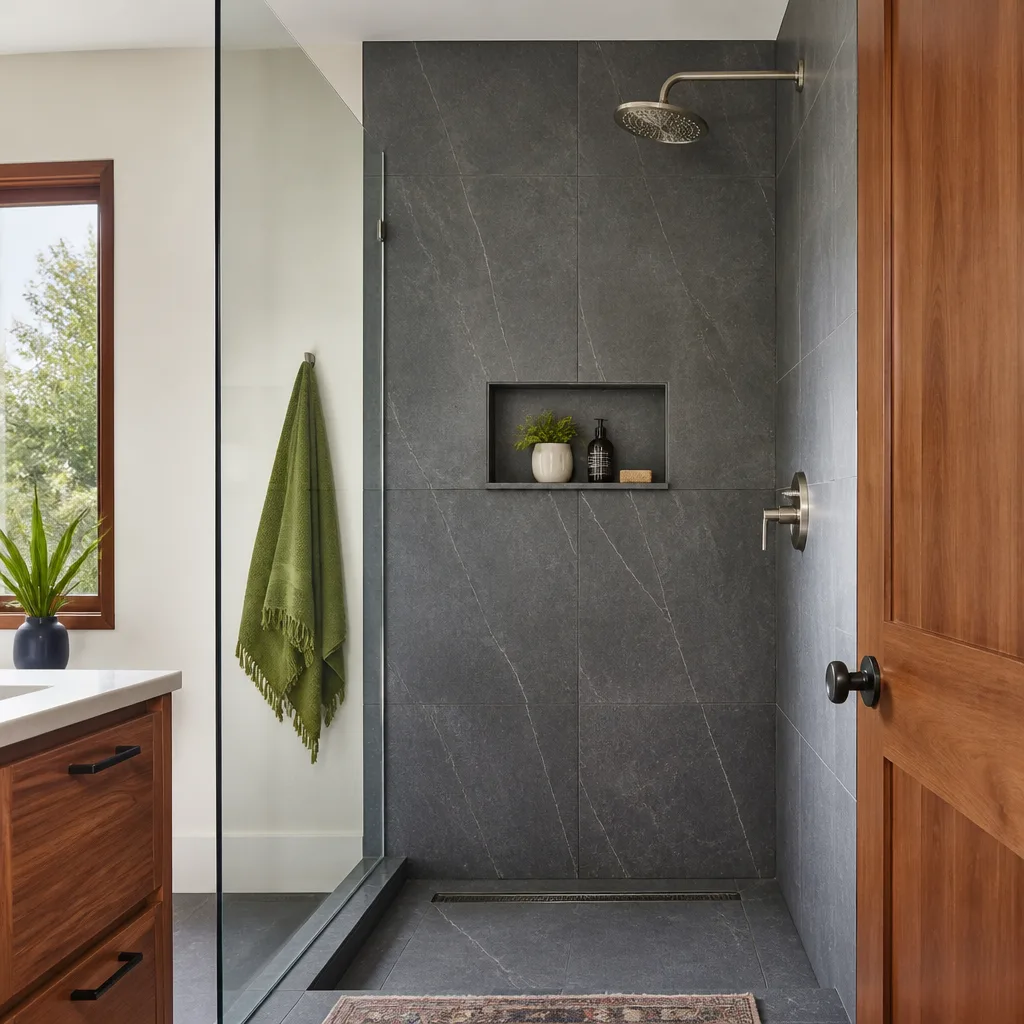
Styles & brands we work with







Signs Your Sterling Home Addition & ADU Is Failing
- Gap opening at the roofline tie-in. The addition meets the original house at a roof intersection, and Dallas storms drive water sideways. Once the flashing loses its seal, the gap widens and water follows the seam into the ceiling cavity.
- Cracking at the interior corner where old slab meets new. Clay soil under Dallas slabs swells after rain and shrinks in August. Differential movement between the two foundations shows up as a crack that starts at the baseboard and climbs.
- Doors sticking or refusing to latch. The module has settled or the mudsill is losing contact with the foundation. This usually starts in the room farthest from the original structure.
- Musty smell or visible staining on the addition’s ceiling. Condensation or roof leak. Sterling modules are tight once sealed, so any moisture inside means the envelope has been compromised somewhere.
- HVAC imbalance: the addition never reaches the same temperature as the rest of the house. The original HVAC system wasn’t sized for the added square footage, or the ducting was undersized at the rough-in. Curtis Lane has pulled more than one undersized flex-duct run out of a Dallas addition that was “working fine” when the previous contractor left.
See the difference
 Before
 After
After Before
 After
After Before
 After
AfterReplacement Cost & What’s Included
For a full home addition or ADU build in Dallas, the realistic range runs $45,000 to $130,000 installed. Below that number, someone is cutting scope. Above it, you’re paying for a custom architectural package, a second-story structural transfer, or sitework on a difficult lot. Here’s what affects the price in Dallas specifically:
- Foundation type: a pier-and-beam addition costs less than a slab-on-grade, but slab is the Dallas default because of the soil movement. Post-tension slab work on an addition will push you toward the upper end of the range.
- Flashing and tie-in complexity: a single-slope shed-roof addition ties in cheaper than a multi-plane roof that has to marry an existing hip or valley. More intersections, more flashing, more labor.
- Finish level: builder-grade doors, trim, and fixtures keep you under $70,000. Cambria or Silestone surfaces, KraftMaid cabinetry, and tile that requires real layout time will move the number toward six figures.
- Mechanical load: extending HVAC, upgrading the electrical panel, or adding a dedicated water heater for an ADU all add $6,000 – $18,000 depending on what’s already there.
Every Bradford Remodeling Co Dallas quote is a written line-item price. No numbers move at the door. The 365-Day Done Right Promise covers the completed work for a full year: if anything we installed fails inside that window, we come back and correct it at no charge. You’ll have the signed guarantee in your hand at job close.
DIY or Call Us?
What you can safely do yourself: check your existing Sterling module’s spec plate, measure wall studs, note where cracks are and whether they’re growing, and photograph the roofline flashing. That information helps us price the job accurately before we get there. What you should not do: cut into the roofline, attempt to re-flash a tie-in, or jack up any part of the structure. The tie-in is the highest-stress point on any addition, and getting it wrong means the roof leaks, the framing rots, and the fix gets twice as expensive. Curtis Lane has corrected enough homeowner “quick fixes” in the Lakewood area to know the pattern well. Call us at (903) 326-8963 and get a straight number before you touch anything.
FAQs
A properly installed Sterling addition with correct flashing and foundation work should last 40 – 60 years on the structural shell. The finish surfaces will need attention sooner, usually 15 – 20 years for roofing and 10 – 15 for exterior paint in the Texas sun. The single biggest lifespan factor in Dallas is whether the foundation was engineered for our soil movement. Call (903) 326-8963 if you’re seeing cracks and want an honest read on whether they’re structural.
Most failures we see are repairable: re-flashing the tie-in, adding a structural connector, or correcting the foundation on one corner runs $4,000 – $15,000 depending on what we find. A full rebuild is only necessary when the framing has been wet long enough to rot or the foundation has moved beyond what a pier-and-beam correction can level. We’ll tell you which one you’re facing and show you why, in writing.
A tie-in repair or re-flash runs two to four days. A full addition or ADU build in Dallas typically runs 10 to 16 weeks, depending on foundation curing time and permit review with the city. We give you a written scope with milestone dates before you sign, and a live person answers the phone 24/7 if anything changes.
We stock the common Sterling flashing profiles, structural connectors, and the door and window rough-in hardware that fits current 2×6 wall modules. OEM structural parts that are series-specific usually arrive in five to seven business days. Interior finish materials like KraftMaid cabinetry, Cambria surfaces, and Silestone countertops come from our documented brand roster, which means you get manufacturer spec sheets and warranties on everything we install.
Written by Curtis Lane, Owner, Bradford Remodeling Co Dallas at Bradford Remodeling Co Dallas, serving Dallas and nearby areas.


